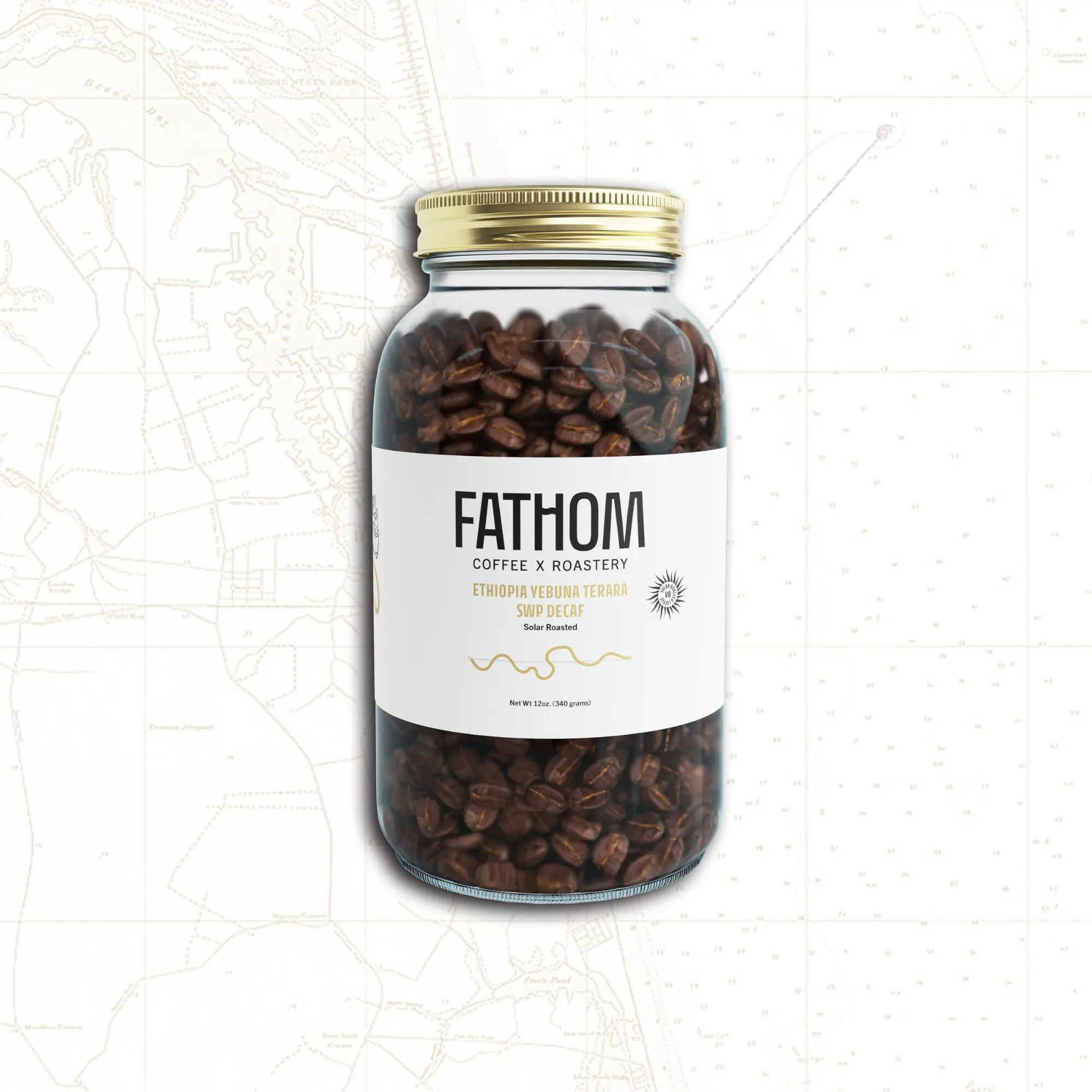
From source to sip
The story behind your next cup.
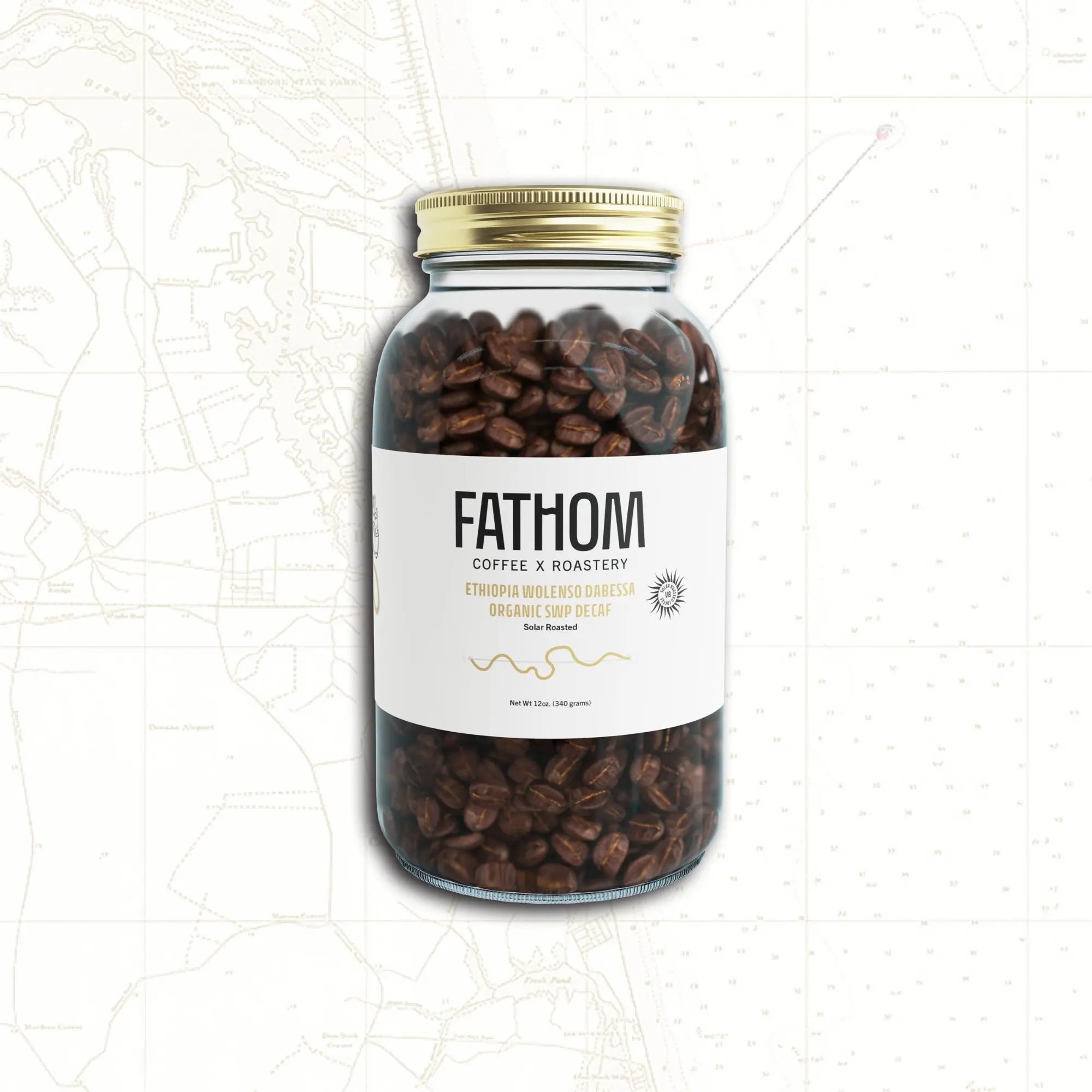
In southwestern Ethiopia, the forested hills around Jimma sit at the edge of the wild Coffea arabica's ancestral home. This is where coffee first grew, and where heirloom trees still shade the slopes. We selected this lot for the decaf drinker who refuses to give up complexity.
Ethiopia ranks as the fifth largest coffee producer in the world and the largest in Africa, but its real distinction is genetic. The country is home to thousands of indigenous arabica varieties, far more diversity than anywhere else on earth. The Jimma zone, in the Oromia region of the southwest, produces more green coffee than any other Ethiopian zone and surrounds the city that gives the nearby Jimma Agricultural Research Center its name.
Read the full story
The Coffee Story
The SourceThe Birthplace, Still Growing
Ethiopia ranks as the fifth largest coffee producer in the world and the largest in Africa, but its real distinction is genetic. The country is home to thousands of indigenous arabica varieties, far more diversity than anywhere else on earth. The Jimma zone, in the Oromia region of the southwest, produces more green coffee than any other Ethiopian zone and surrounds the city that gives the nearby Jimma Agricultural Research Center its name.
Here, smallholder farmers cultivate heirloom trees alongside research-bred cultivars on forested, volcanic slopes between roughly 1,900 and 2,200 meters. That high-altitude growing slows cherry maturation, letting sugars and acids develop the layered character Ethiopian coffee is known for. Consistent rainfall and natural shade do the rest.
The CraftDecaffeinated Without Chemicals
This lot is decaffeinated using the Swiss Water Process, a chemical-free method that relies on water from the coastal mountains of British Columbia. Green beans soak in a caffeine-saturated solution that draws caffeine out by gradient while leaving the flavor compounds behind. The result keeps the cranberry brightness and stone-fruit sweetness intact, which is rare in decaf.
If you want to understand how the underlying coffee was prepared at origin before decaffeination, our guide to washed and natural processing walks through the choices that shape the cup. We roast this coffee to City+, a medium-light level that protects the fruit-forward acidity rather than burning it off in pursuit of roast character.
The CupBright, Fruited, Unhurried
The cup opens with tart cranberry and a clean stone-fruit sweetness, the kind of brightness that lets you forget you are drinking decaf. Beneath the fruit, warm baking spices and a touch of brown sugar round things out, and a light-medium body keeps the whole thing easygoing. It finishes clean, with the floral lift that marks coffee from this part of Ethiopia.