From source to sip
The story behind your next cup.
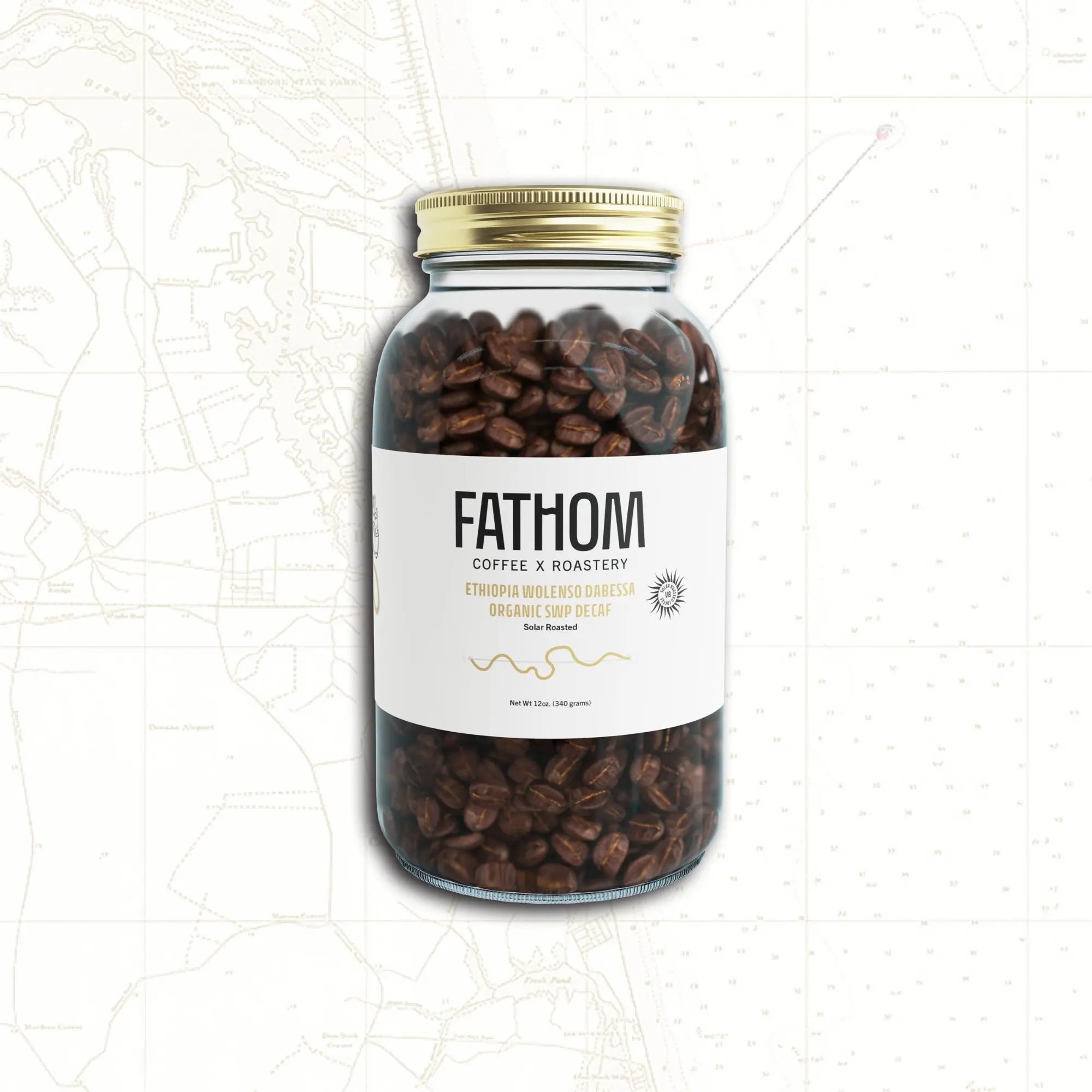
In the forested hills of western Ethiopia, the Limu Kossa district sits in the Jimma zone of Oromia, where shade-grown cherries ripen slowly under a canopy of native trees. This Wolenso lot proves a quiet point: take the caffeine out and the Ethiopian character stays right where it belongs.
Limu Kossa is a woreda in the Jimma zone of Oromia, one of Ethiopia's classic specialty regions. The Wolenso lot comes from smallholders working plots scattered across forested slopes, where coffee grows under shade rather than in full sun. That canopy slows cherry development, and slower ripening builds denser, more concentrated beans. Ethiopia is Africa's largest coffee producer and the birthplace of Arabica, and the indigenous heirloom varieties that grow here carry a genetic diversity found almost nowhere else.
Read the full story
The Coffee Story
The SourceWolenso, in the Limu Heartland
Limu Kossa is a woreda in the Jimma zone of Oromia, one of Ethiopia's classic specialty regions. The Wolenso lot comes from smallholders working plots scattered across forested slopes, where coffee grows under shade rather than in full sun. That canopy slows cherry development, and slower ripening builds denser, more concentrated beans. Ethiopia is Africa's largest coffee producer and the birthplace of Arabica, and the indigenous heirloom varieties that grow here carry a genetic diversity found almost nowhere else.
The farms sit between roughly 1,780 and 2,000 meters, high enough to develop the bright, layered profile that defines Ethiopian coffee. Growing at this altitude tempers the bean and gives the cup its structure. Limu has long been known for a sweeter, rounder style than the floral Yirgacheffe further south, which makes it a natural fit for the fruit-forward natural process.
The CraftSun-Dried, Then Decaffeinated With Water Alone
This coffee was naturally processed, meaning whole cherries were dried in the sun on raised beds rather than washed and stripped of their fruit. As the cherry slowly dries, its sugars migrate into the bean, layering on the molasses and stone-fruit depth that natural lots are known for. Limu sees more natural processing than much of Ethiopia, and the technique suits the region's inherent sweetness. You can read more about how natural and washed methods shape the cup.
The decaffeination happens after processing, at the Swiss Water facility near Vancouver. It is a chemical-free method that uses only water, temperature, and time to draw out 99.9% of the caffeine while leaving the flavor compounds intact. We roast the finished beans to City+ at our Virginia Beach roastery, a level that holds onto the fruit and keeps the sweetness forward without tipping into roast.
The CupSweet, Fruity, and Fully Ethiopian
The cup opens with deep, syrupy sweetness, molasses and date sugar laying down a rich base. Underneath it runs a dark-fruit thread of plum and blackberry, the signature of a well-dried natural lot. A gentle acidity, closer to green tea than citrus, lifts the finish and keeps the cup from turning heavy.
What makes this lot worth seeking out is how little it asks you to compromise. The body is balanced and the fruit is genuine, so the only thing missing is the caffeine. It drinks like a morning Ethiopia that happens to belong at night.