From source to sip
The story behind your next cup.
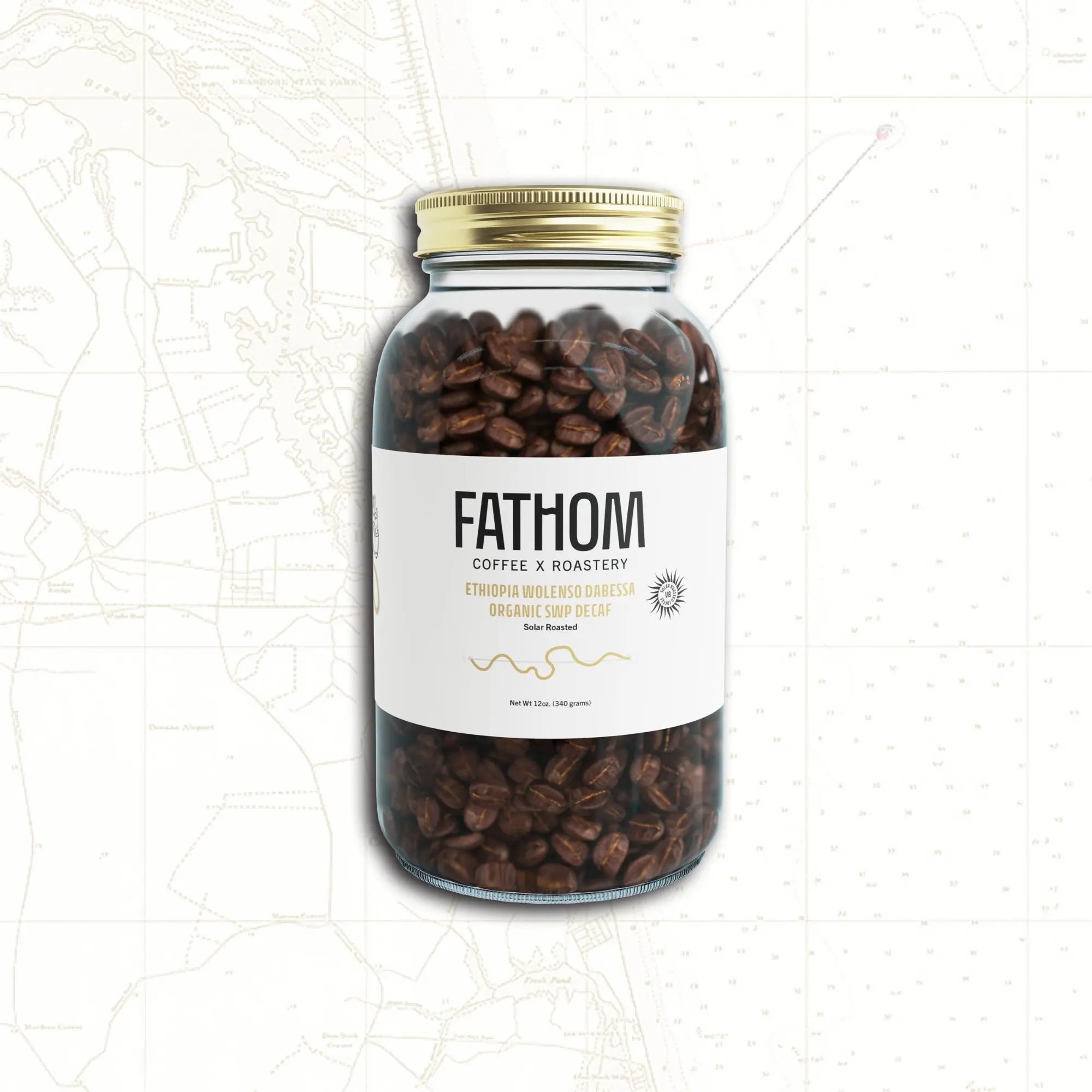
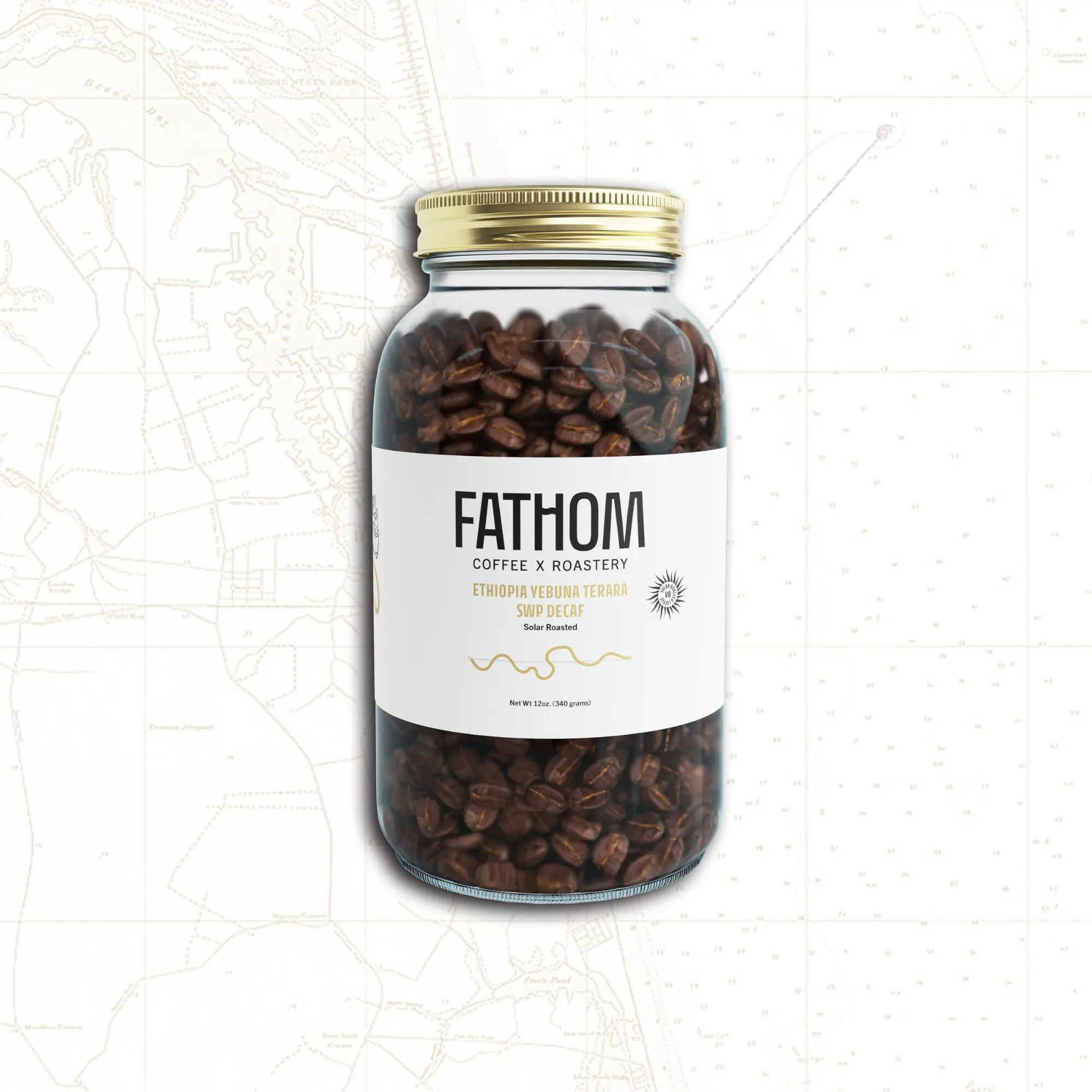
In the forest reserves of southwestern Ethiopia, arabica coffee still grows wild beneath the canopy, much as it did before anyone thought to cultivate it. This decaf draws from two of those storied highlands, Kafa and Limu, and proves that removing the caffeine need not mean removing the origin.
Ethiopia is the cradle of arabica and Africa's largest producer, ranking among the world's top exporters and supplying close to five percent of global coffee. Coffee underpins the national economy here, accounting for a large share of export earnings and the livelihoods of millions. The Kafa zone, roughly 460 kilometers southwest of Addis Ababa, holds the center of arabica's genetic diversity, with thousands of wild varieties growing in the montane rainforest around the Bonga reserve.
Read the full story
The Coffee Story
The SourceCoffee's Birthplace, Decaffeinated
Ethiopia is the cradle of arabica and Africa's largest producer, ranking among the world's top exporters and supplying close to five percent of global coffee. Coffee underpins the national economy here, accounting for a large share of export earnings and the livelihoods of millions. The Kafa zone, roughly 460 kilometers southwest of Addis Ababa, holds the center of arabica's genetic diversity, with thousands of wild varieties growing in the montane rainforest around the Bonga reserve.
This lot gathers fruit from the farm of Dehab Mesfin near the Bonga forest and the Senna Katta mountain farm in Limu's Boter forest reserve. Cultivation across these highlands follows traditional methods, with growers relying on mulching and natural manuring rather than chemical inputs, so the coffee is organic in practice if not always in paperwork. Climate pressure has pushed many farms toward higher elevations above 1,800 meters , where cooler nights and rich volcanic soils slow the cherry's maturation and concentrate its sugars.
The CraftA Blend Built for Decaffeination
The composition is deliberate: two-thirds natural processed coffee for fruit-forward sweetness, balanced by one-third washed lots for clarity and structure. Dried whole or fermented and rinsed, these two approaches give the blend a foundation sturdy enough to carry its character through caffeine removal, where lighter, more delicate coffees often lose their edge.
Caffeine comes out at Swiss Water's facility in British Columbia, a process that uses only water, temperature, time, and proprietary carbon filters to strip away 99.9 percent of the caffeine while leaving the flavor compounds intact. No solvents touch the green coffee. We then roast it to City+ in small batches, a level that keeps the floral and fruit notes forward rather than burying them under roast.
The CupDecaf That Forgets to Taste Like Decaf
The cup opens with pronounced sweetness and a complexity that defies the usual decaf expectations. Simmering berries and plum jam lead, with crisp apple cutting brightness across the middle and a tropical lift of passionfruit adding a floral, elegant dimension.
A faint wheat-like note typical of decaffeinated coffee appears in the finish, but it stays well behind the origin character. The result drinks like a thoughtful Ethiopian coffee that simply happens to be caffeine-free, ideal for a late-day cup with nothing given up.