From source to sip
The story behind your next cup.
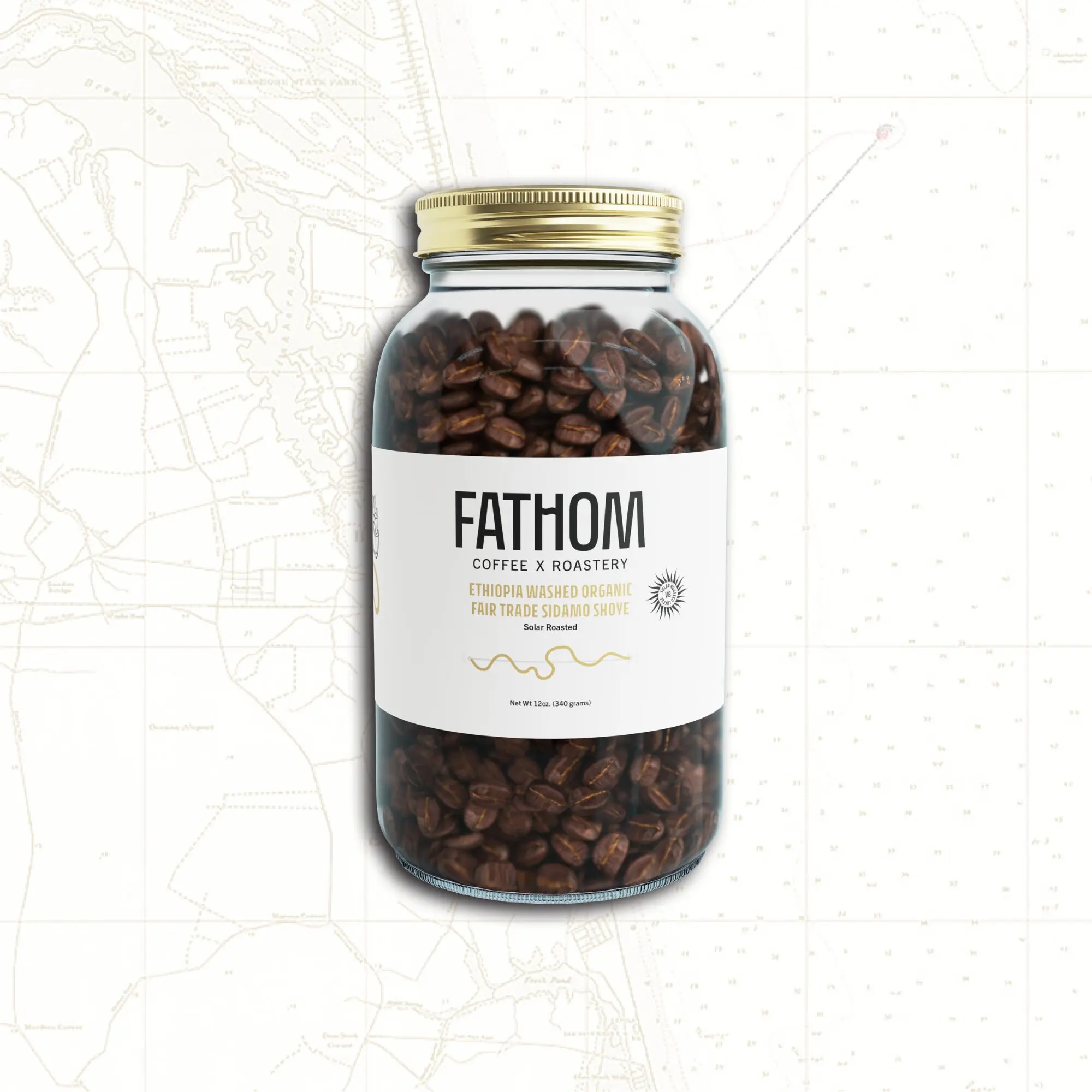
In the highlands of southern Ethiopia, smallholder families tend coffee trees that grow in the dappled shade of the forest, the same way their grandparents did. This washed lot comes from the Dale district of Sidama, where the Shoye Cooperative gathers cherry from hundreds of small organic farms scattered across the hills.
Ethiopia is the birthplace of Arabica and Africa's largest producer of the species. Sidama, in the country's south, is one of its most celebrated growing zones, a patchwork of fertile volcanic soil and steep ridgelines that climb past 1,800 meters. The cooler air and mineral-rich ground of these high-altitude slopes slow the cherry as it ripens, concentrating sugars and building the clarity Sidama is known for.
Read the full story
The Coffee Story
The SourceSidama, Where Coffee Began
Ethiopia is the birthplace of Arabica and Africa's largest producer of the species. Sidama, in the country's south, is one of its most celebrated growing zones, a patchwork of fertile volcanic soil and steep ridgelines that climb past 1,800 meters. The cooler air and mineral-rich ground of these high-altitude slopes slow the cherry as it ripens, concentrating sugars and building the clarity Sidama is known for.
The Shoye Cooperative organizes the small farms here under the Sidama Coffee Farmer's Cooperative Union, a union of 46 cooperatives representing roughly 80,000 producers. Fair Trade and organic certification mean growers earn a stable premium and the surrounding community sees the return: the union has funded scholarships, schools, roads, and rural electrification across the region. Most farmers work plots measured in fractions of a hectare, and coffee, Ethiopia's leading export, is the thread that holds these livelihoods together.
The CraftFully Washed, Patiently Dried
Cherry is hand-harvested and hand-sorted before pulping, then fermented and washed to strip away the fruit and reveal the clean seed beneath. Cold mountain groundwater slows fermentation, a process that can stretch across a day and a half and rewards the cup with transparency. The parchment then dries on raised beds, raked and turned by hand over many days so it cures evenly under the sun. This is the washed process at its most deliberate, the method that gave Ethiopian coffee its reputation for brightness.
We roast this lot to City+, a level that holds the lemon-and-tea delicacy of a washed Sidama in place. Push it darker and the floral lift flattens; we stop just short, where the acidity stays lively and the sweetness rounds out. Small batches, roasted with the sun's help at our Virginia Beach roastery.
The CupClean, Bright, Quietly Sweet
The first impression is citrus, a fresh lemon snap that wakes up the palate without turning sharp. Behind it sits the steeped, tannic note of black tea and a soft chamomile floral character that lingers as the cup cools. A thread of candied ginger gives the finish gentle warmth and an understated sweetness.
The body carries a touch more weight than many washed Ethiopians, enough to give the flavors a frame without dulling their clarity. It is a cup that reads like crisp mountain air, every note in focus.