From source to sip
The story behind your next cup.
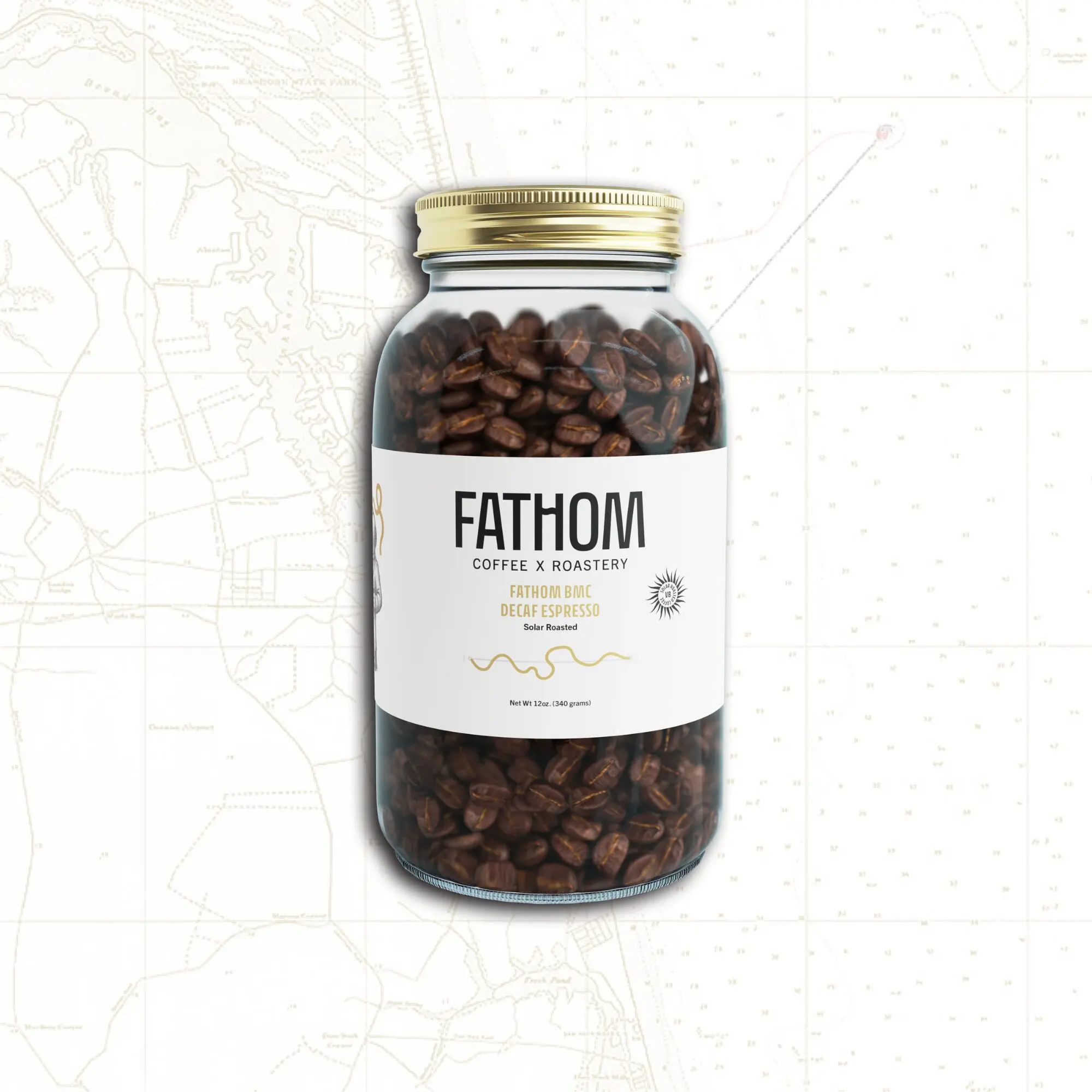
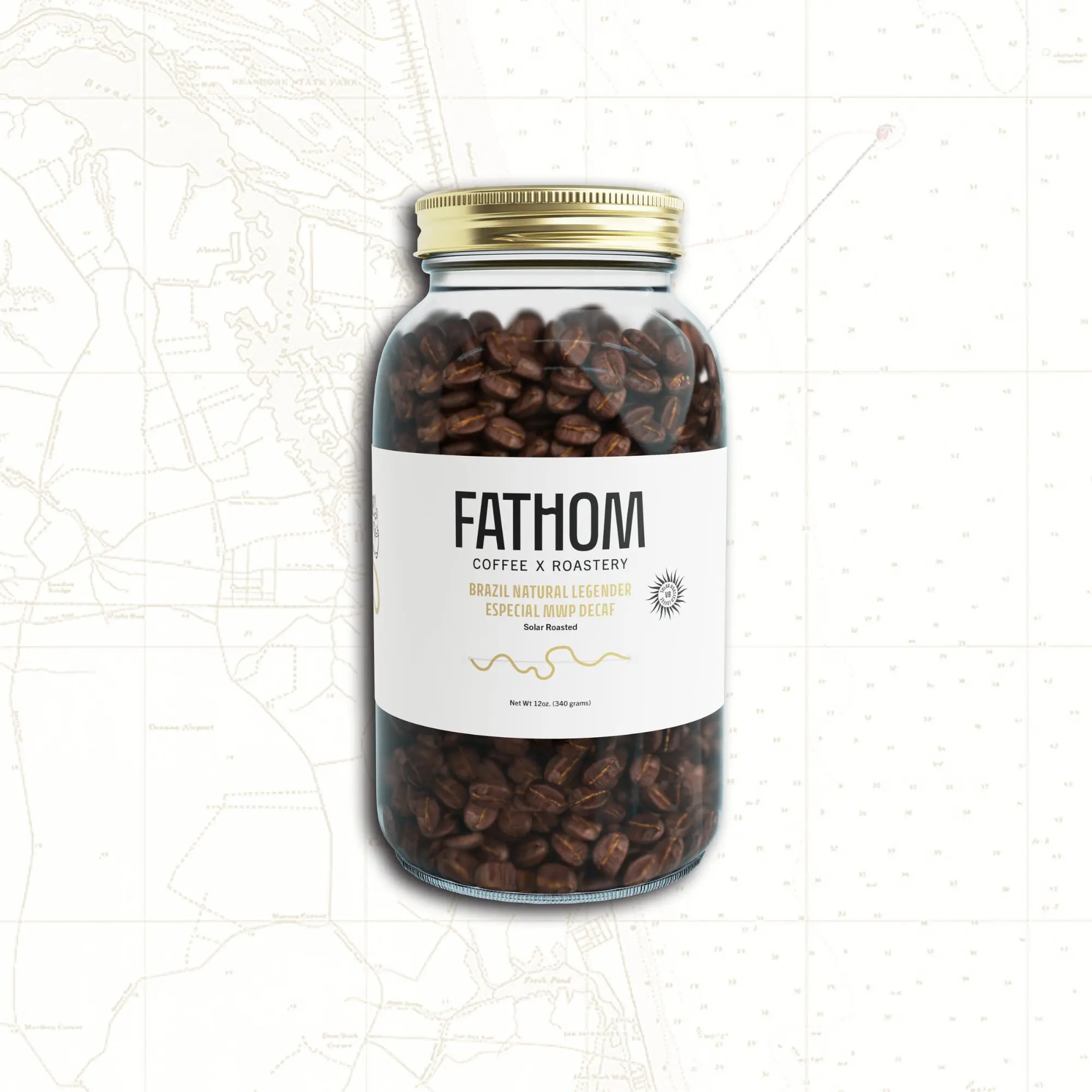
Tucked against Brazil's Atlantic coast, Espírito Santo is one of the country's smallest states with one of its largest coffee reputations. This is a decaf with nothing to apologize for: cocoa, red apple, and toasted almond, full and rounded, caffeine quietly removed.
Espírito Santo sits on Brazil's southeastern shoulder, a compact state that ranks as the country's second-largest coffee producer by volume. Its story is one of reinvention. In the late 1800s, abandoned sugarcane plantations were carved up and sold off, and many of the new owners planted coffee in the cleared ground. By the close of the century, coffee had overtaken sugarcane as the region's defining crop, a shift that still shapes the farms working these hills today.
Read the full story
The Coffee Story
The SourceBrazil's Coastal Coffee Country
Espírito Santo sits on Brazil's southeastern shoulder, a compact state that ranks as the country's second-largest coffee producer by volume. Its story is one of reinvention. In the late 1800s, abandoned sugarcane plantations were carved up and sold off, and many of the new owners planted coffee in the cleared ground. By the close of the century, coffee had overtaken sugarcane as the region's defining crop, a shift that still shapes the farms working these hills today.
Long viewed as a volume region, Espírito Santo has earned fresh respect from specialty roasters as quality has climbed, a reputation formalized when the state received its Indication of Provenance in 2021. Coffee here grows across rolling terrain and rising slopes, and like all coffee, the lots that climb higher gain density and sweetness from cooler nights. You can read more about why altitude shapes the cup and gives Brazilian arabica its rounded, dependable character.
The CraftSugarcane Decaffeination, Done Gently
This coffee is decaffeinated using the sugarcane method, also called ethyl acetate or EA decaf. Ethyl acetate is a compound that occurs naturally in fruit and, in this case, is derived from fermented Brazilian sugarcane. Green beans are steamed to open their pores, then bathed in a solution of water and that sugarcane-derived solvent, which bonds with caffeine and draws it out while leaving the sugars and aromatics largely in place. The cycle repeats until nearly all the caffeine is gone, and a final steaming clears any trace of the solvent before drying.
The result is a decaf that keeps its sweetness and body rather than tasting hollow, which is exactly why we chose it. To understand how this fits alongside other approaches, see our guide to coffee processing methods . We roast the finished beans to City+, a medium-light profile that protects the cocoa and nut tones while keeping the apple brightness alive in the cup.
The CupQuiet, Sweet, and Substantial
The first sip leads with cocoa, soft and rounded, the kind of chocolate note Brazilian coffee does so well. Beneath it runs a thread of red apple that keeps the cup from going flat, and as it cools, toasted almond and a touch of brown sugar settle in. The body is full and smooth with low, gentle acidity, an easy companion for an evening cup or a second pot when you want the flavor without the lift.