
From source to sip
The story behind your next cup.
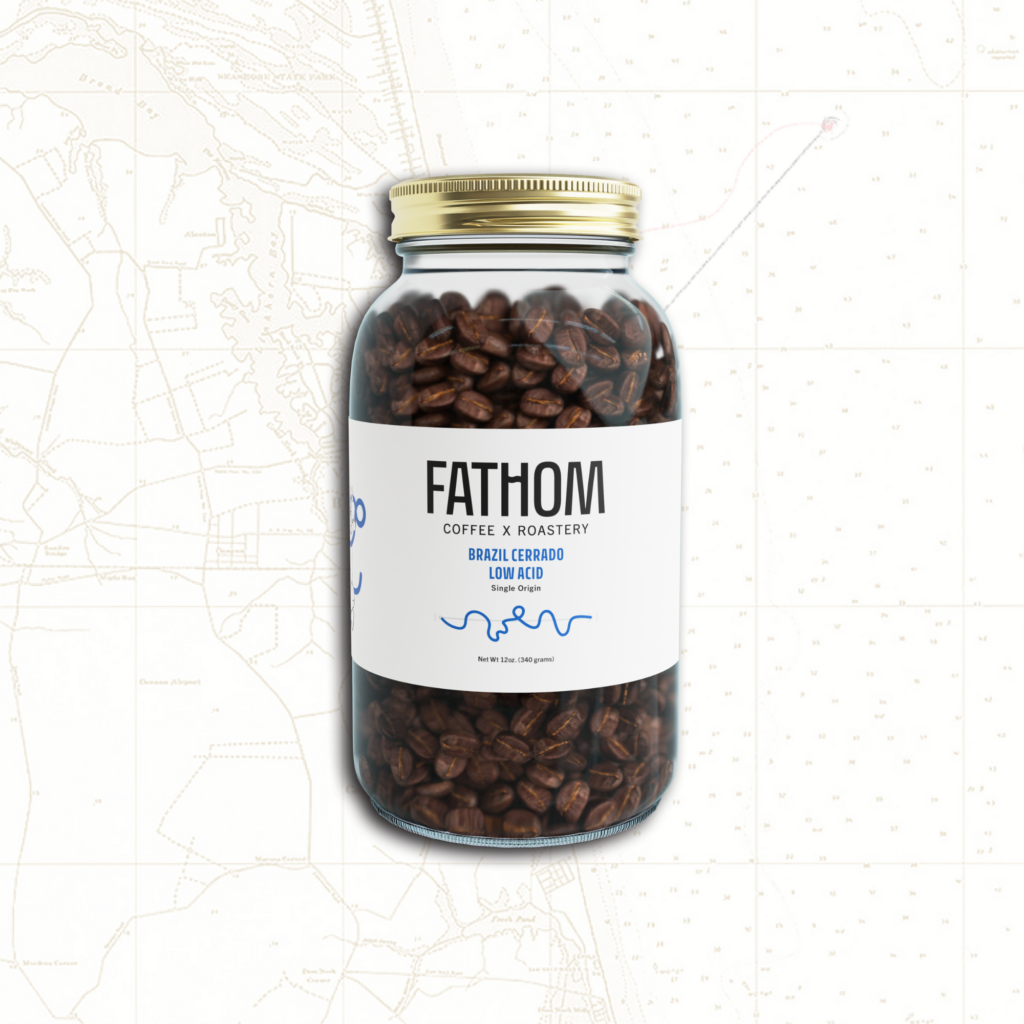
In the Posses community of Campestre, on the northern slopes of the Serra da Mantiqueira, Roberto Bernardes works a 20-hectare farm his father planted a generation ago. He named it Sitio Taquara, Portuguese for bamboo, after the groves that ring the property. The land sits at 1,200 meters in Sul de Minas, the single largest coffee district in Brazil.
Sul de Minas produces close to a third of Brazil's coffee, more than most entire countries grow in a year. The Serra da Mantiqueira range that frames Campestre has been planted in coffee for over a century, and the surrounding micro-region earned a protected Geographical Indication in 2011 for the quality its mountain terroir produces. Cool nights, volcanic soils, and a clean dry season give the fruit time to ripen slowly and concentrate sugar.
Read the full story
The Coffee Story
The SourceThe Mountains of Southern Minas
Sul de Minas produces close to a third of Brazil's coffee, more than most entire countries grow in a year. The Serra da Mantiqueira range that frames Campestre has been planted in coffee for over a century, and the surrounding micro-region earned a protected Geographical Indication in 2011 for the quality its mountain terroir produces. Cool nights, volcanic soils, and a clean dry season give the fruit time to ripen slowly and concentrate sugar.
Roberto farms alongside his wife Bernadete and sons Elielton and Roberto Jr. Their lot reaches Fathom through Legender, a buying group founded in 2012 that gathers small farms, called sitios, across the Machado, Poco Fundo, and Campestre micro-regions. Legender buys directly from growers willing to document their harvesting and drying in detail, which is part of why a farm this size can be traced cup to hillside. At 1,200 meters , Sitio Taquara sits at the upper end of typical Brazilian elevation.
The CraftSun-Dried on Raised Beds
This is a natural-processed coffee, the oldest method in Brazil and the one that rewards a dry climate like Campestre's. After selective picking, the whole cherries dry intact on raised beds in full sun. As the fruit slowly dehydrates around the seed, its sugars migrate inward, building the heavy body and fruit-forward sweetness that distinguish naturals from washed lots. The trade-offs and timing behind each approach are worth understanding, and we cover them in our guide to processing methods .
We roast Sitio Taquara to City+, stopping the development before second crack so the bean keeps its chocolate weight without tipping into roast bitterness. That window protects the Yellow Catuai's natural sweetness and the soft citrus brightness underneath it. Small batches, solar-powered, at our Virginia Beach roastery.
The CupChocolate With a Bright Edge
The cup leads with milk chocolate and roasted almond, settling into a creamy, full body that coats the palate. A thread of citrus lifts the sweetness so it never turns flat, and the finish lands long and clean with a hint of vanilla. This is a Brazilian coffee built for comfort: low-toned, round, and forgiving, with just enough acidity to keep it interesting cup after cup.