From source to sip
The story behind your next cup.
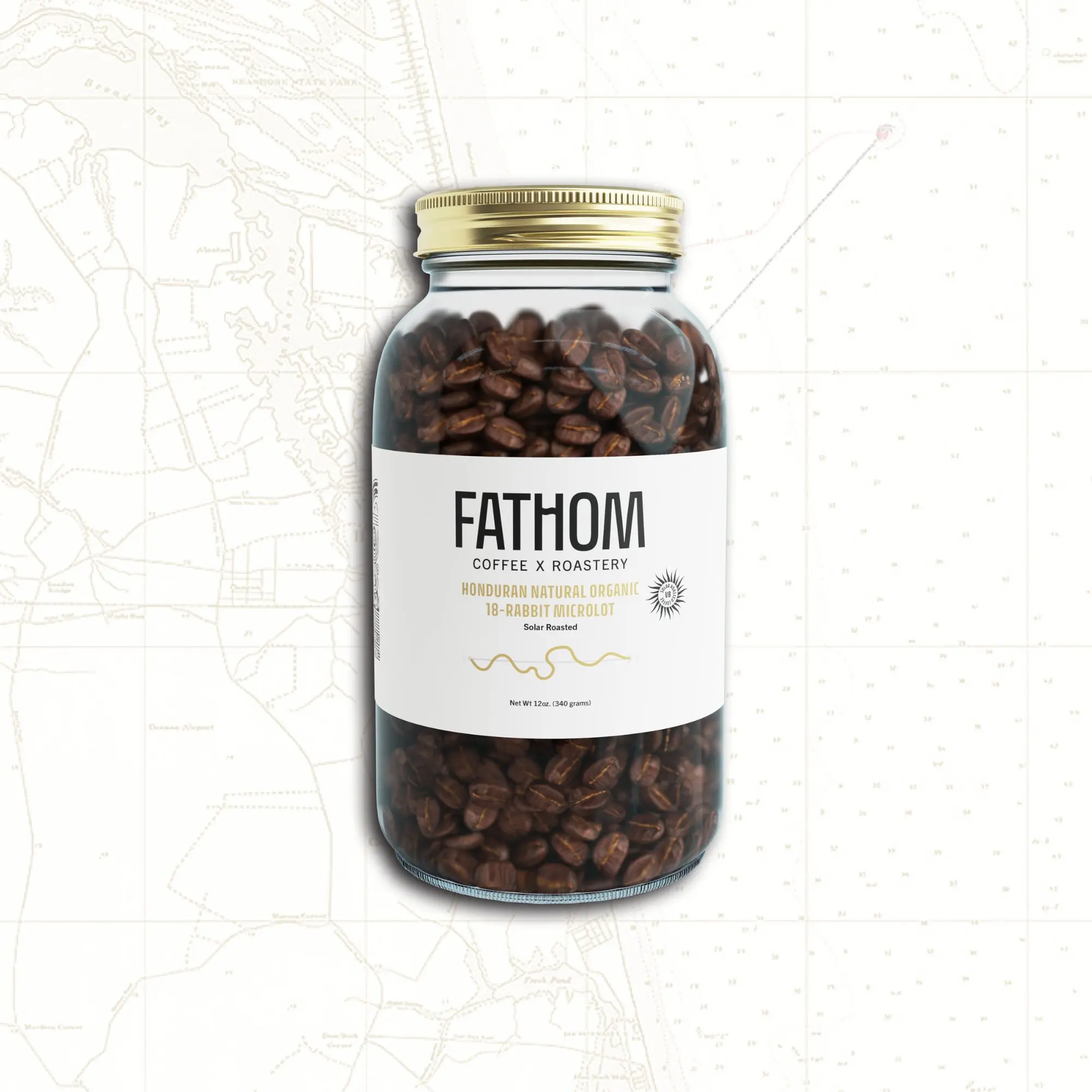
In the cool highlands of Marcala, in Honduras's La Paz department, coffee grows slowly under abundant mountain rain. This organic microlot carries the name of an ancient Mayan king and the unhurried sweetness of cherries dried whole in the sun.
Honduras is the largest coffee producer in Central America and ranks among the top exporters in the Americas. Most of that volume is washed and shipped in bulk, but Marcala does things differently. In 2005 it earned Café de Marcala, the first Denomination of Origin awarded to any Central American coffee region, a mark that ties this name to its specific soil, altitude, and climate.
Read the full story
The Coffee Story
The SourceMarcala's organic tradition
Honduras is the largest coffee producer in Central America and ranks among the top exporters in the Americas. Most of that volume is washed and shipped in bulk, but Marcala does things differently. In 2005 it earned Café de Marcala, the first Denomination of Origin awarded to any Central American coffee region, a mark that ties this name to its specific soil, altitude, and climate.
The 18-Rabbit collective gathers farms owned by members of the Zelaya family across Marcala's hillsides, with matriarch Dulce Marlen at its center. The name honors Uaxaclajuun Ubaah Kawiil, the thirteenth ruler of the ancient Mayan city of Copán, known to scholars as 18-Rabbit. At 1,200 to 1,600 meters , cool temperatures slow the cherries' maturation, giving sugars more time to build. Organic farming here means no synthetic fertilizers and soil management that favors the long term, so the coffee costs more to grow and tastes cleaner for it.
The CraftNatural processing on raised beds
Natural processing is the oldest method coffee knows: whole cherries dried in the sun, no machinery required. Doing it well takes patience. Dry the fruit unevenly and it molds, too fast and the flavors stay flat, too slow and fermentation runs out of control. The 18-Rabbit lot is spread thin across raised beds, mesh frames that let air move underneath, then turned by hand several times a day for three to four weeks.
As the fruit dries against the seed, its sugars work inward. Caramel develops, chocolate emerges, and the body fills out in a way washed coffees from the same farms never reach. We finish it at City+, a roast that keeps the natural sweetness forward while letting the chocolate and brown sugar settle into balance.
The CupChocolate, caramel, clean sweetness
Milk chocolate leads, creamy and approachable rather than bitter. Caramel builds through the mid-palate alongside brown sugar notes that taste almost baked, and a quiet raisin character closes the finish, the dried-fruit signature of the natural process without any of its funk.
The body is medium, substantial enough to feel satisfying yet light enough to drink all morning. Acidity stays mild, making this an easy cup for anyone who finds brighter coffees sharp. It is a daily drinker: balanced, smooth, and organic without tasting earthy or medicinal.