From source to sip
The story behind your next cup.
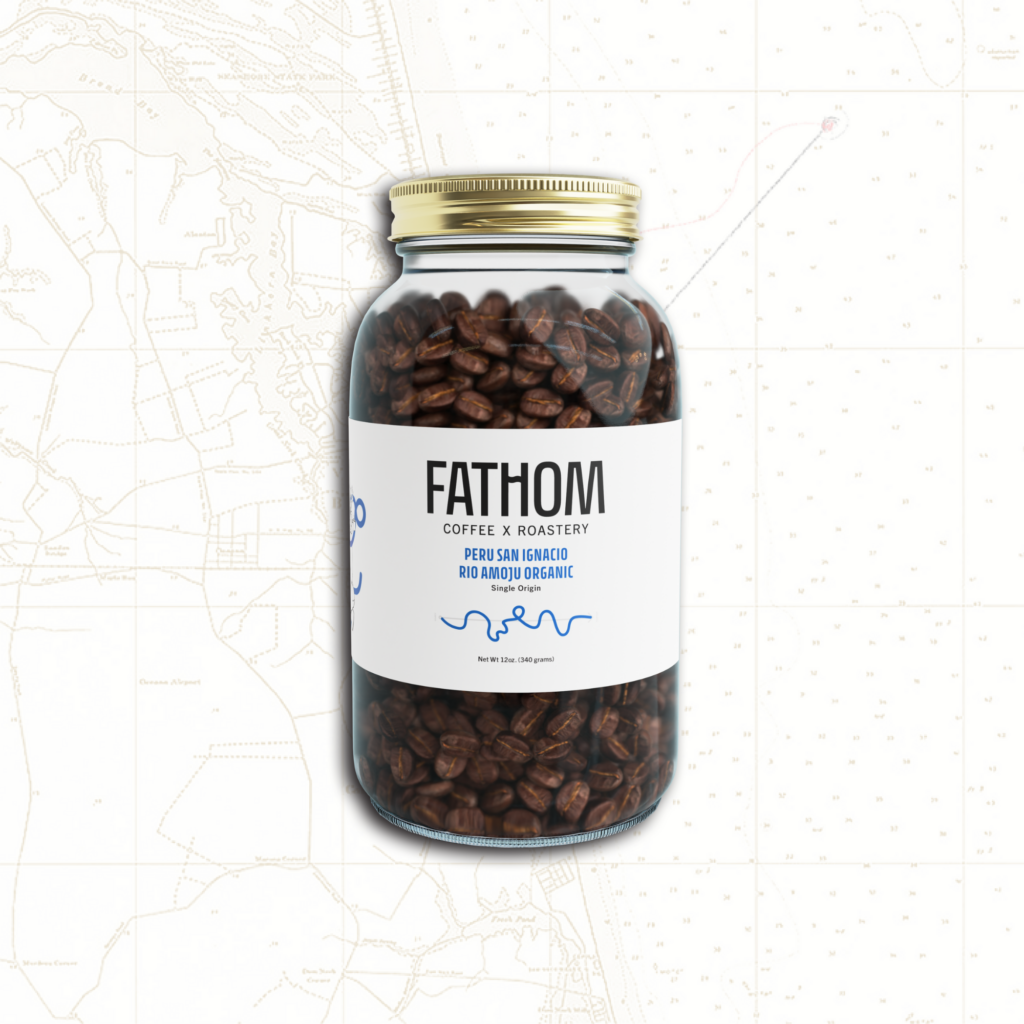
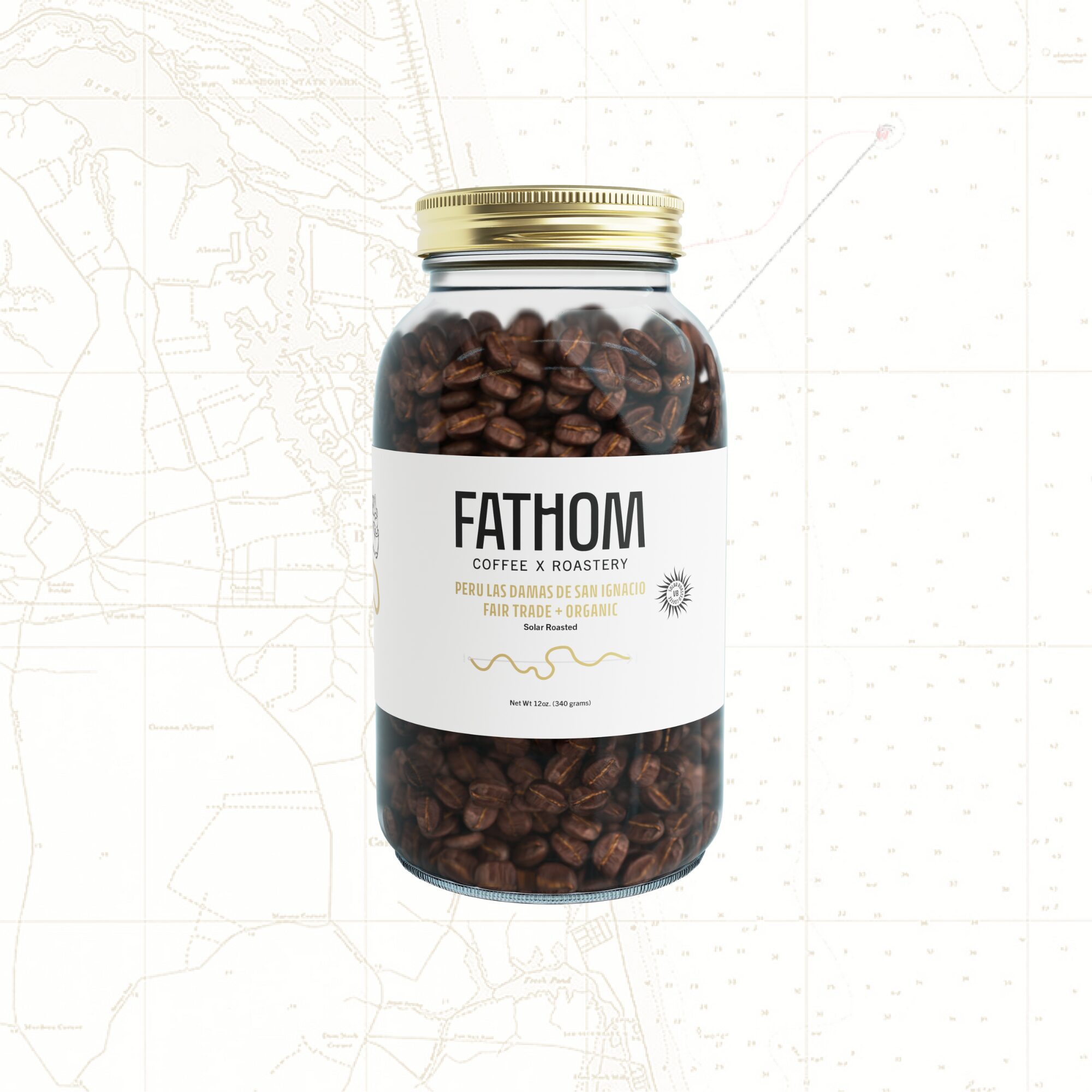
High in the Andes near Peru's border with Ecuador, the women of San Ignacio are rewriting who gets to lead a coffee cooperative. Las Damas is grown, processed, and managed by the female members of COOPAFSI. The result is a cup as clean and balanced as the conviction behind it.
San Ignacio sits at the northern edge of Cajamarca, the region that anchors Peru's reputation as one of the world's leading exporters of washed arabica. Tucked into the Andes near the Ecuadorian frontier, its farms climb steep slopes between 1,500 and 1,750 meters, where volcanic soils and a clear split between wet and dry seasons slow the cherries down and concentrate their sugars. That high-altitude rhythm is what gives Cajamarca coffee its hallmark: clean, balanced, gently sweet.
Read the full story
The Coffee Story
The SourceSan Ignacio, Cajamarca's specialty heartland
San Ignacio sits at the northern edge of Cajamarca, the region that anchors Peru's reputation as one of the world's leading exporters of washed arabica. Tucked into the Andes near the Ecuadorian frontier, its farms climb steep slopes between 1,500 and 1,750 meters, where volcanic soils and a clear split between wet and dry seasons slow the cherries down and concentrate their sugars. That high-altitude rhythm is what gives Cajamarca coffee its hallmark: clean, balanced, gently sweet.
This lot comes from COOPAFSI, the Cooperativa Agraria Frontera San Ignacio, founded in 1969 around principles of gender equality and shared community investment. Within it, Las Damas de San Ignacio is a committee of women farmers, organized in 2016 and now more than a hundred strong, who grow and process their own coffee while directing loans for land, homes, and farm improvements. They built a community computer lab to keep members current with markets and methods. Their neighbors credit the cup's quality to the care these women bring to every stage.
The CraftWashed clean, dried in the open air
Most of Peru's coffee is fully washed, and many smallholders own their own wet-milling equipment, which lets them control the process closely. Cherries are depulped the same day they are picked, then left to ferment in the open for twelve to eighteen hours before being washed free of mucilage and laid out to dry on patios. That fermentation window is the whole game. Too short and the fruit stays sticky, too long and it muddies the clean profile. Las Damas farmers have settled into exactly the right timing. You can read more about how this method shapes the cup in our guide to washed and natural processing .
We roast it to City+, a medium-light level that keeps the fruit and the sweetness intact rather than burying them under roast. Small batches, slow development, and an even finish let the terroir speak for itself.
The CupSmooth, with quiet brightness
Caramel opens the cup, soft and welcoming. Milk chocolate follows underneath, adding depth without any bitter edge. A thread of orange lifts the middle, and as the coffee cools, red apple rounds it out with a little fruity complexity. The body is medium and full without feeling heavy, and the mild acidity keeps everything approachable. This is an everyday cup that earns its place through consistency, proof that a cooperative built on equity can deliver quality in the same pour.