From source to sip
The story behind your next cup.
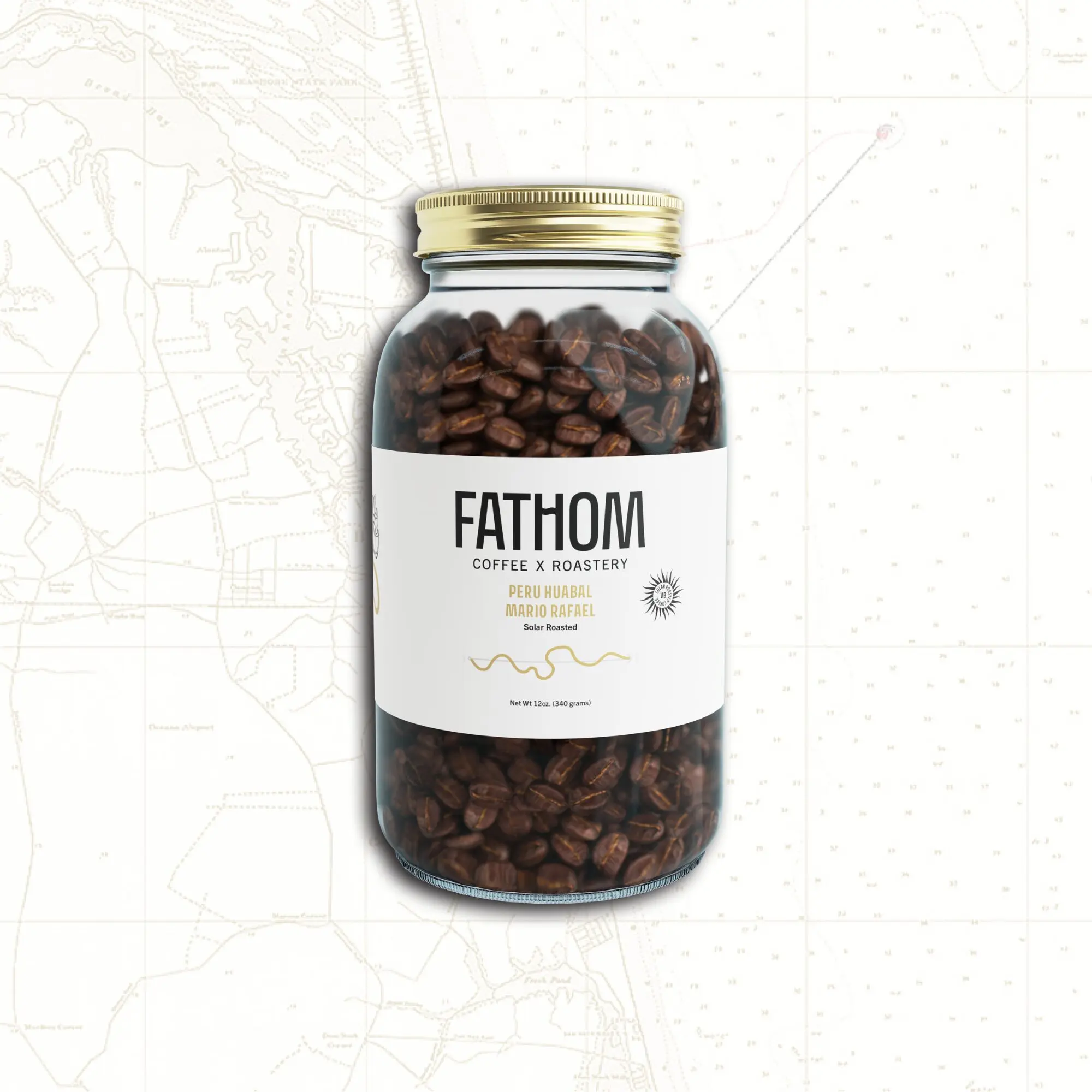
In the village of Santa Rosa, high in the Huabal district of Cajamarca, Mario Rafael Chamaya tends 2.5 hectares of Caturra and Bourbon at 1,850 meters. While many of his neighbors switched to high-yield, disease-resistant plants, he kept the old varieties. The cup makes the case for that choice.
Cajamarca sits in Peru's far north, a region of steep ridges and cloud forest that has become the country's top coffee producer and its leading exporter by value. Peru is the world's ninth-largest producer and the leading exporter of organic coffee, yet much of that volume disappears into anonymous regional lots before anyone tastes a single farm. The gems hide inside those blends, and Huabal is one of the places they come from.
Read the full story
The Coffee Story
The SourceCajamarca's Quiet Crown
Cajamarca sits in Peru's far north, a region of steep ridges and cloud forest that has become the country's top coffee producer and its leading exporter by value. Peru is the world's ninth-largest producer and the leading exporter of organic coffee, yet much of that volume disappears into anonymous regional lots before anyone tastes a single farm. The gems hide inside those blends, and Huabal is one of the places they come from.
Mario Rafael Chamaya farms a small plot in Santa Rosa, where elevation does much of the quiet work. At 1,850 meters, cool nights slow the cherry's maturation, concentrating sugars and building the kind of structure that high-altitude coffee is known for. His Caturra and Bourbon are heirloom-leaning choices that reward careful picking over sheer yield, which is exactly why so few growers still plant them.
The CraftSorted by Float, Soaked Twice
Mario grades his cherry in flotation tanks, letting water separate the dense, ripe fruit from the rest before any processing begins. He then runs a double-soaked washed method, returning the coffee to clean water after the initial wash. This second soak extends the fermentation window and strips away the last of the mucilage, producing a clarity and balance that ordinary washed lots rarely reach. To understand how this differs from natural processing, see our guide to washed and natural coffee processing methods .
We roast this one to City+, stopping short of the point where roast character would flatten the fruit. The goal is a sweet almond and caramel backbone with the cinnamon-cocoa edge intact. It is a roast tuned to let Mario's processing speak rather than cover it.
The CupClean, Spiced, and Articulate
As pour over, the cup is clean and articulate, leading with sweet almond and dark caramel and finishing on dried green apple with a whisper of cinnamon cocoa. Pulled as espresso, it shifts toward hazelnut spread with a red-fruit complexity that keeps it from going flat. Brewed as cold brew, it reads like chocolate biscotti dipped in brown sugar syrup, sweet and rounded without losing its edges.