From source to sip
The story behind your next cup.
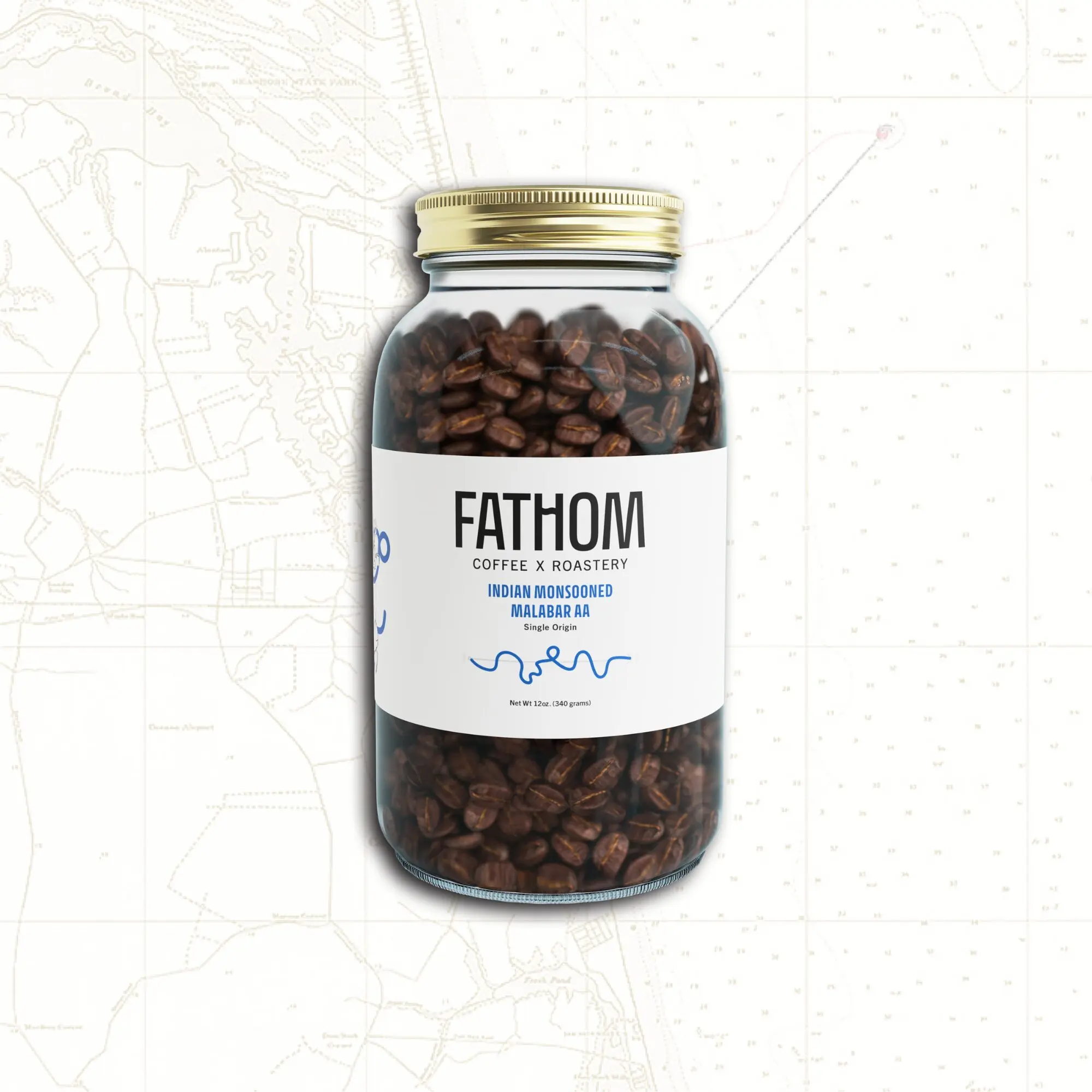
India's rainy season leaves its mark after harvest. Indian Monsooned Malabar coffee starts as dry-processed Arabica. It reaches Mangalore, where humid monsoon air swells pale beans and changes the cup.
Burman Coffee describes dry-processed Arabica cherry arriving in Mangalore after grading. The supplier says many source farms have 80 to 100 years of history, with third-generation growers continuing the work. In India, most coffee growers are smallholders.
Read the full story
The Coffee Story
The SourceFrom the hills to the Malabar coast
Burman Coffee describes dry-processed Arabica cherry arriving in Mangalore after grading. The supplier says many source farms have 80 to 100 years of history, with third-generation growers continuing the work. In India, most coffee growers are smallholders.
USDA Foreign Agricultural Service reported that India ranked seventh among global coffee producers in 2024. Indian Arabica typically grows from 700 to 1,200 meters above sea level. That regional elevation gives this coffee structure before monsooning begins. Learn how elevation shapes coffee . Read the broader story of coffee from India .
The CraftSeasonal exposure in Mangalore
From June through August, the graded coffee rests in open-walled warehouses with steady aeration and ventilation. It slowly absorbs seasonal moisture and swells in size. Workers gather, stack, and redistribute it for even exposure. After the rains subside, final gravity-table and hand sorting prepare the coffee for export.
Monsooning follows the dry process; it does not replace it. The long exposure softens the cup's acidity and builds the heavy texture associated with this style. Fathom roasts this selection to City+ to keep the creamy body, gentle sweetness, and spice in balance. Go deeper into coffee processing methods .
The CupCreamy, grounded, and calm
Full body arrives first, followed by a creamy texture and an earthy base. Soft dried fruit adds lift through the middle of the cup. Warm baking spice stays on the finish, with low acidity holding the profile together.
This is a steady choice for drinkers who prefer weight and texture over bright citrus. It also gives Espresso a broad foundation while leaving room for milk or a brighter companion coffee in a blend.