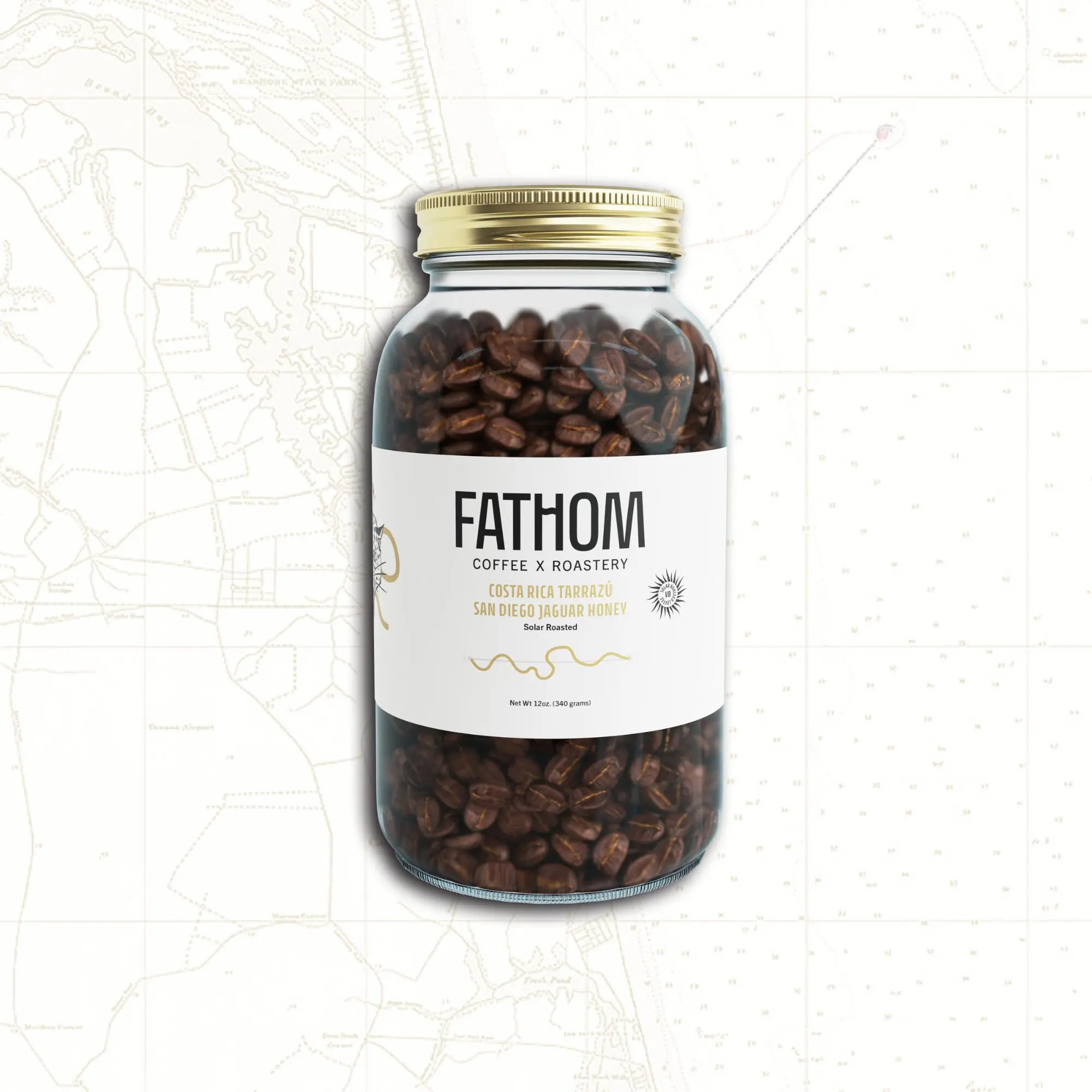
From source to sip
The story behind your next cup.
High in the central highlands of Costa Rica, the Tarrazú region climbs into cool, mist-laced ridgelines where coffee ripens slowly. Cherries from smallholder farms here travel to one of the country's most respected mills, where careful honey processing turns ripe fruit into a cup of unusual sweetness and clarity.
Costa Rica built its name on quality long before specialty coffee became a movement, and Tarrazú sits at the center of that reputation. The region's volcanic soils, cool nights, and steep elevation push cherries to mature at a measured pace, concentrating sugars and building the layered complexity that highland coffees are known for. Most farms here are small, often only a few hectares, worked by families who have grown coffee for generations.
Read the full story
The Coffee Story
The SourceTarrazú's Highland Reputation
Costa Rica built its name on quality long before specialty coffee became a movement, and Tarrazú sits at the center of that reputation. The region's volcanic soils, cool nights, and steep elevation push cherries to mature at a measured pace, concentrating sugars and building the layered complexity that highland coffees are known for. Most farms here are small, often only a few hectares, worked by families who have grown coffee for generations.
This lot was assembled at Beneficio San Diego, a mill founded in 1888 that draws cherries from surrounding Tarrazú growers and selects specifically for honey processing based on cherry ripeness and sugar content. The "Jaguar" name nods to Costa Rica's conservation work, where protecting biodiversity and supporting producing communities go hand in hand. Coffee grown at these high altitudes rewards the patience of both the farmer and the mill.
The CraftRed Honey Sweetness
The honey process began in Costa Rica, a deliberate middle path between fully washed and natural methods. After the skin is depulped, much of the sticky fruit mucilage stays on the parchment through drying. As the beans rest on raised beds and patios, those fruit sugars caramelize onto the seed. Red honey keeps a generous share of that mucilage, pushing the cup toward the body and sweetness of a natural while holding the clean structure of a washed coffee. You can read more about processing methods and how they shape the cup.
We roast this coffee to City+, a level that protects the honey character rather than burying it. The roast brings out caramelized sugar and warm cocoa while leaving the fruit and brightness intact, so the work done at the mill carries all the way into your cup.
The CupSweet and Rounded
The first sip leads with caramel and brown sugar, the signature of a well-handled honey coffee. Beneath that sweetness sits a soft orange brightness and a steady current of milk chocolate that gives the cup its weight. Acidity stays mild and rounded rather than sharp, and the finish lingers with cocoa and a clean, gentle sweetness.