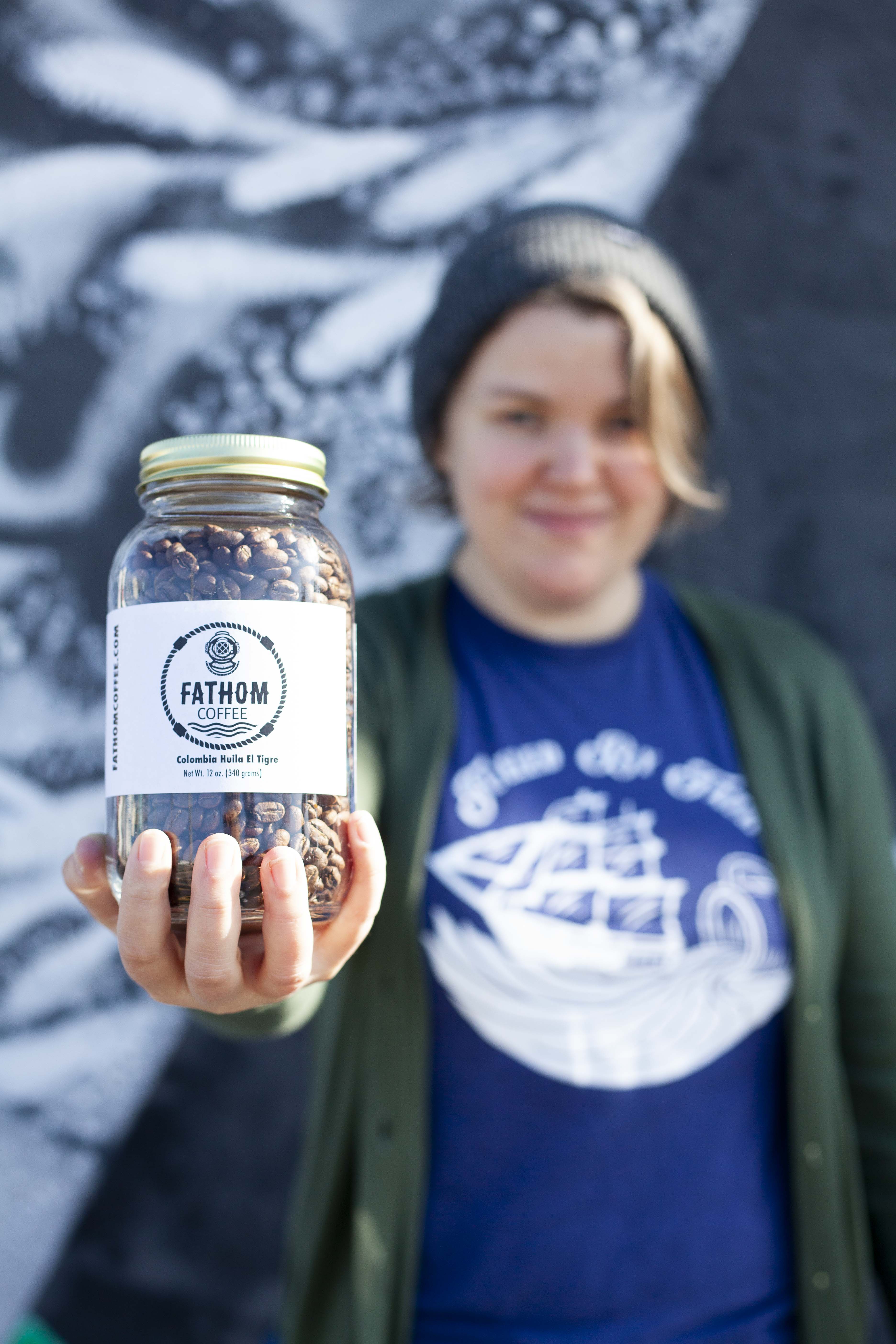
From source to sip
The story behind your next cup.
In the southern reaches of Huila, the Colombian Andes fold into steep valleys where rivers run cold and the soil holds volcanic ash. Coffee here grows slowly, ripening under mountain light that swings from warm afternoons to sharp nights. El Tigre carries that intensity into the cup.
Huila sits in southwestern Colombia, a department that has quietly become one of the country's most decorated coffee origins. It earned Denomination of Origin status in 2013 and routinely sends lots to the Cup of Excellence, the result of smallholder farms working narrow Andean terraces by hand. The region's reputation rests on a combination buyers prize: bright acidity, clean sweetness, and aromatics that carry.
Read the full story
The Coffee Story
The SourceHuila, Colombia's Quietly Decorated South
Huila sits in southwestern Colombia, a department that has quietly become one of the country's most decorated coffee origins. It earned Denomination of Origin status in 2013 and routinely sends lots to the Cup of Excellence, the result of smallholder farms working narrow Andean terraces by hand. The region's reputation rests on a combination buyers prize: bright acidity, clean sweetness, and aromatics that carry.
Much of that character traces back to elevation. Growers around towns like Pitalito and Acevedo plant between roughly 1,700 and 2,000 meters, where cool nights slow the cherry's development and concentrate sugars in the bean. That high-grown density is what gives Huila coffees their structure and clarity. Read more about how altitude shapes flavor in mountain-grown lots like this one.
The CraftThirty Hours of Patience, Thirteen Days of Sun
This lot follows a washed process with an extended twist. After picking, the cherry ferments for roughly 30 hours, longer than a conventional Huila wash, which deepens the fruit-forward sweetness and builds the tart-cherry note that defines the cup. The fermented coffee is then pulped and moved to drying. To understand how this compares to other approaches, see our guide to washed and natural processing .
Drying runs more than 13 days on a solar parabolic canopy, a greenhouse-style dryer that traps gentle heat while shielding the parchment from rain and harsh midday sun. The slow, even moisture loss preserves acidity and keeps the bean stable. We roast El Tigre to City+, a medium-light profile that holds the lemon brightness and lets the dark chocolate settle in underneath.
The CupSweet Up Front, Ferocious Underneath
El Tigre opens with tart cherry and a snap of lemon, the kind of fruit acidity that wakes up the whole cup. As it cools, the extended fermentation shows its work: a rounder cane-sugar sweetness fills in, and dark chocolate anchors the finish with a low, lingering depth.
The result is a coffee that reads sweet and bright on the first sip but carries real intensity behind it. It holds up black, where the layers are easiest to follow, and stands its ground with a splash of milk.