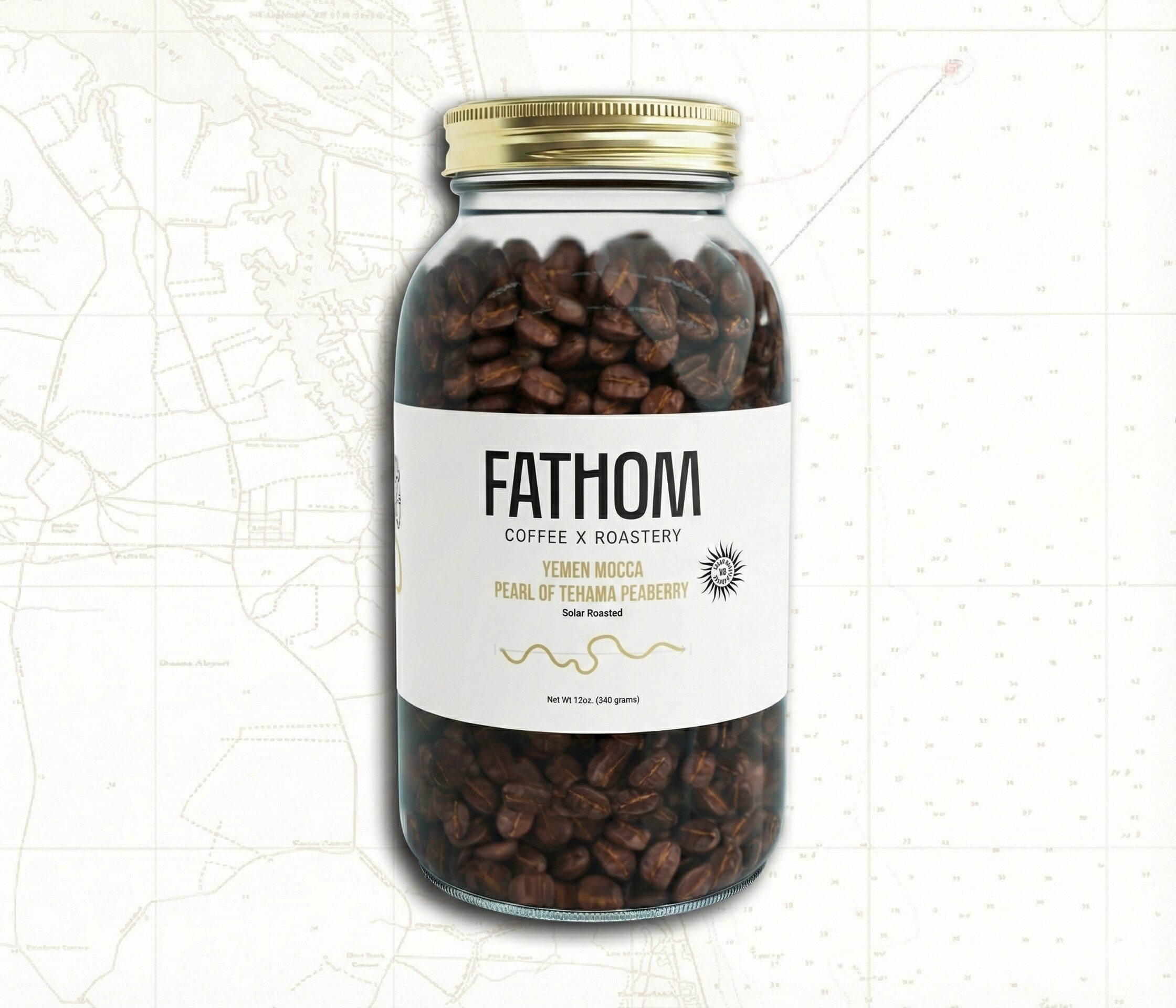
From source to sip
The story behind your next cup.
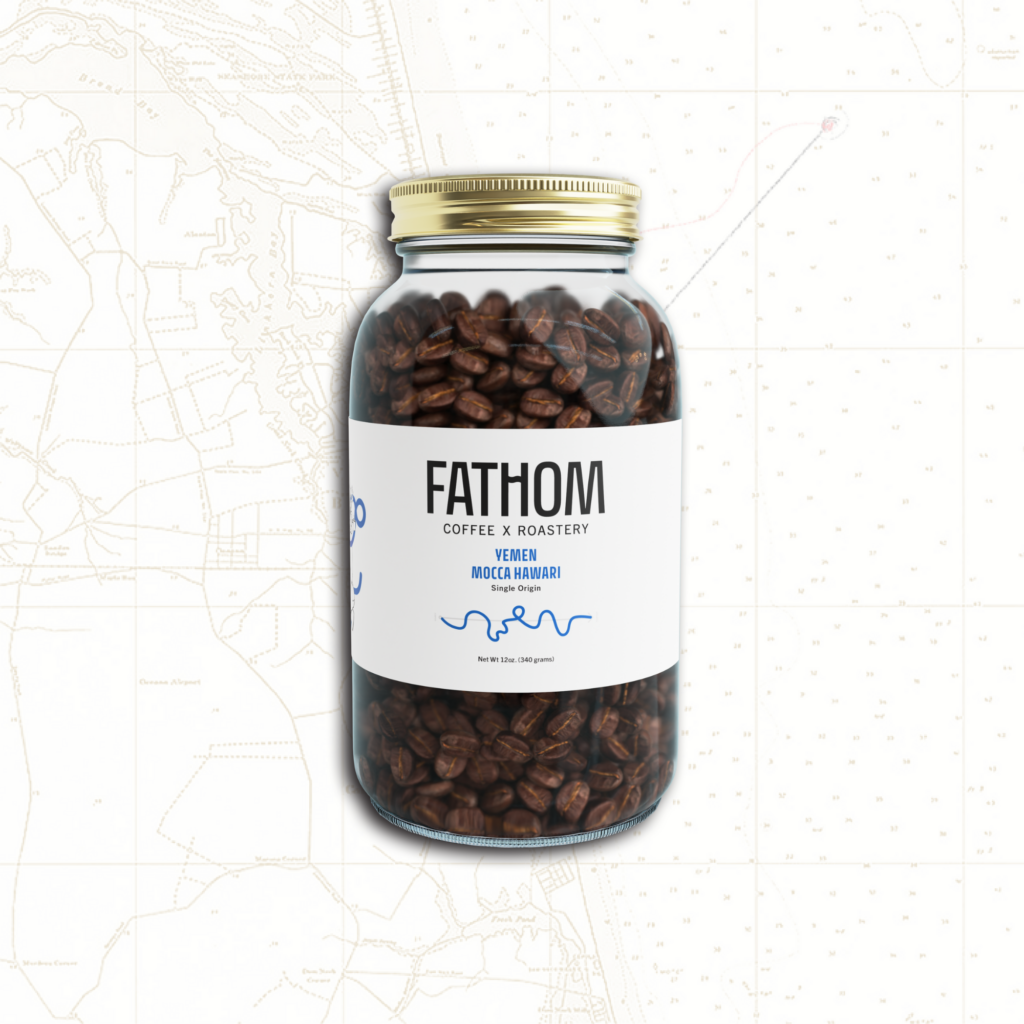
High above the Red Sea coast, on stone terraces older than memory, twenty-three families in Yemen's Al-Haimah districts grow coffee the way their ancestors did six centuries ago. From that harvest comes something rarer still: peaberries, the single-bean cherries that make up just a sliver of any Yemeni crop. This is one of the most scarce coffees we offer.
Yemen sits second only to Ethiopia in coffee's long history, with mountain cultivation stretching back more than five hundred years. The western highlands of the Sana'a governorate run parallel to the Red Sea, and the Al-Haimah districts climb to extraordinary heights. These farms begin near 2,000 meters and stretch past 2,400, where thin air and arid heat force the trees to grow slowly. That slow development concentrates sugars and produces dense, complex beans, the same effect found across the world's high-altitude coffee regions.
Read the full story
The Coffee Story
The SourceThe rarest of a rare harvest
Yemen sits second only to Ethiopia in coffee's long history, with mountain cultivation stretching back more than five hundred years. The western highlands of the Sana'a governorate run parallel to the Red Sea, and the Al-Haimah districts climb to extraordinary heights. These farms begin near 2,000 meters and stretch past 2,400, where thin air and arid heat force the trees to grow slowly. That slow development concentrates sugars and produces dense, complex beans, the same effect found across the world's high-altitude coffee regions.
The varieties here are Yemeni heirlooms, descended from wild seed carried north from Ethiopia centuries ago and adapted over generations to this specific terrain. Twenty-three smallholder producers worked with Pearl of Tehama, a Yemeni coffee enterprise rooted in the family trade, to assemble this lot. The peaberry adds a final layer of scarcity. When only one seed forms inside a cherry instead of the usual two, that single bean absorbs all the cherry's nutrients. Peaberries account for only a small fraction of any Yemeni harvest, which makes a dedicated peaberry lot like this one genuinely uncommon.
The CraftDried in the cherry on stone rooftops
This is a natural coffee in the oldest sense. Cherries dry whole in the sun on the rooftops of stone houses set along steep mountain ridges, the same method Yemen used when its coffee first reached world markets in the fifteenth century. Pearl of Tehama layers modern discipline over that tradition, with hand-sorting and careful storage to protect the lot. Producers monitor sugar levels, moisture, and bean density across fifteen to twenty-five days of drying. Letting the fruit dry intact around the seed is what gives natural coffees their depth, and the contrast with washed lots is worth understanding through our guide to natural and washed processing methods .
We roast this lot to City+, stopping early enough to keep the bright red fruit intact while letting the chocolate develop. A lighter touch suits Yemen well. Push the roast too far and you flatten the wine-like acidity and the layered dried-fruit sweetness that make this coffee what it is.
The CupClassic Yemen, concentrated
Baker's chocolate sets the foundation, rich and bittersweet, coating the palate. Red fruit rises over the top, cherry and raspberry sharpened by the lighter roast, while dried dates and raisins fold in an earthy sweetness underneath. The acidity reads as wine-like rather than sharp, lending brightness that keeps everything in motion.
The body is the signature. Full and nearly syrupy, it carries the concentrated character that the single-bean peaberry structure delivers. Each sip turns over a new layer, chocolate giving way to fruit, fruit settling into that deep dried-date finish.