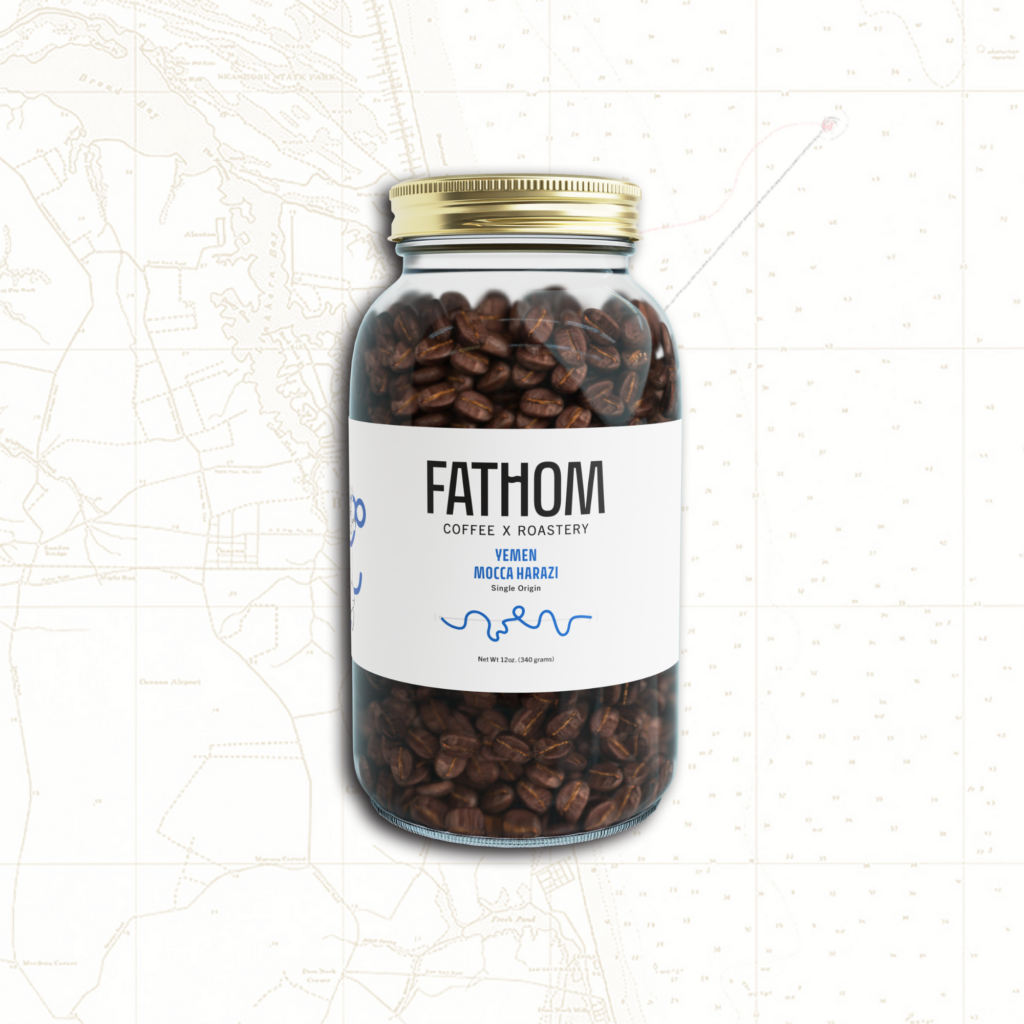
From source to sip
The story behind your next cup.
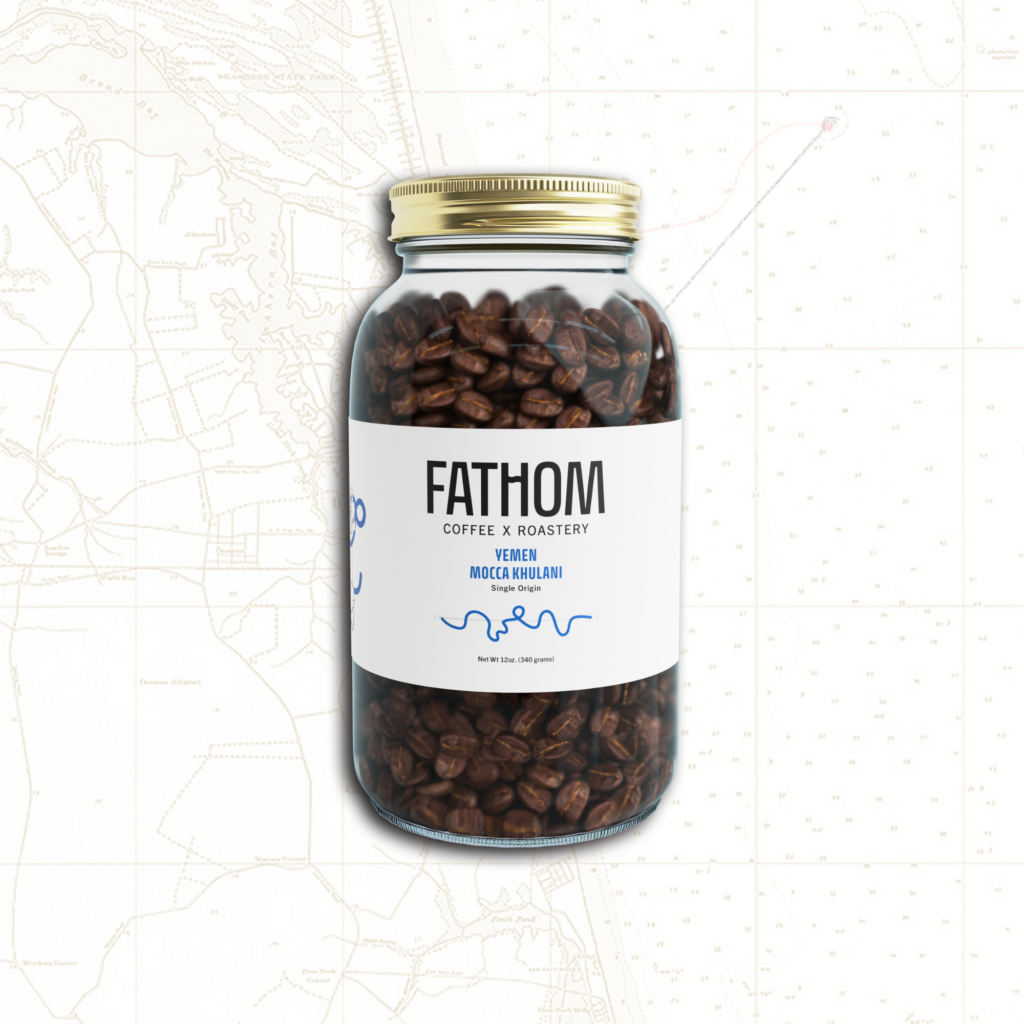
West of Sana'a, the Haraz mountains rise in steep stone terraces carved into volcanic rock. Coffee has grown on these slopes for centuries, tended by families who learned the craft from the generations before them. "Harazi" names that place, and the cup it produces.
Yemen is one of the first places on earth where coffee was cultivated for trade, and the beans that left the port of Al Mokha gave the world the word "Mocha." Centuries later, the Haraz range in western Sana'a Governorate remains one of the country's most respected growing areas. Mineral-rich volcanic soil, dry mountain air, and dramatic terracing combine into a terroir that few origins can match.
Read the full story
The Coffee Story
The SourceCoffee's Oldest Mountains
Yemen is one of the first places on earth where coffee was cultivated for trade, and the beans that left the port of Al Mokha gave the world the word "Mocha." Centuries later, the Haraz range in western Sana'a Governorate remains one of the country's most respected growing areas. Mineral-rich volcanic soil, dry mountain air, and dramatic terracing combine into a terroir that few origins can match.
The farms here are small and old, worked by generational families who pick by hand and process the same way their grandparents did. The trees grow at high altitude , between 1,800 and 2,400 meters, where cool nights and intense daytime sun slow the cherry's development and concentrate its sugars. "Harazi" works much like "Kona" does for Hawaii: a marker of a specific place and the distinctive cup it yields.
The CraftSun-Dried on the Rooftops
This coffee is natural processed, the traditional method of the region and one of the reasons Harazi coffees are so prized. After hand-picking, the whole cherries are spread in thin layers and dried slowly in full sun on raised beds and rooftops. As the fruit dries against the seed, it lends the cup its fermented sweetness and deep berry character. Our guide to natural and washed processing explains how that contact shapes flavor.
We roast it to City+, a level that keeps the wild fruit and milky sweetness intact while building enough body to carry the cocoa notes underneath. The goal is balance: enough development to round out the acidity, but a careful hand to protect what makes Yemeni coffee unlike anything else.
The CupBerry, Cream, and Chocolate
The first impression is fruit: ripe strawberry and raspberry, the signature of a well-made natural. Beneath that sits a soft, milky sweetness that gives the cup its rounded, almost creamy texture. As it cools, cocoa rises through the finish, anchoring the bright fruit in something warm and substantial.
It is a full-bodied, layered coffee that rewards slow drinking. Each sip shifts a little as the temperature drops, and the long, gentle finish keeps the berry and chocolate in conversation.