From source to sip
The story behind your next cup.
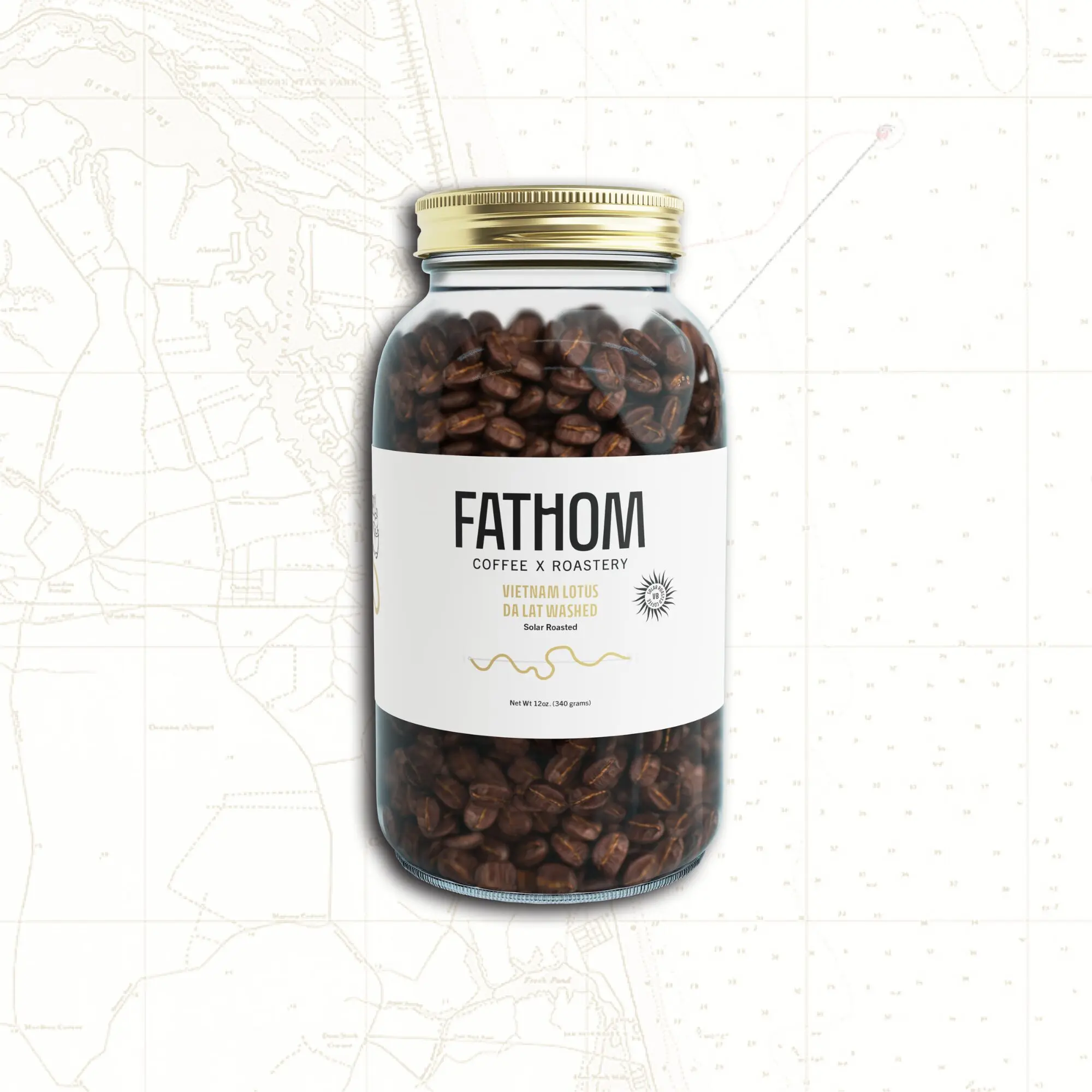
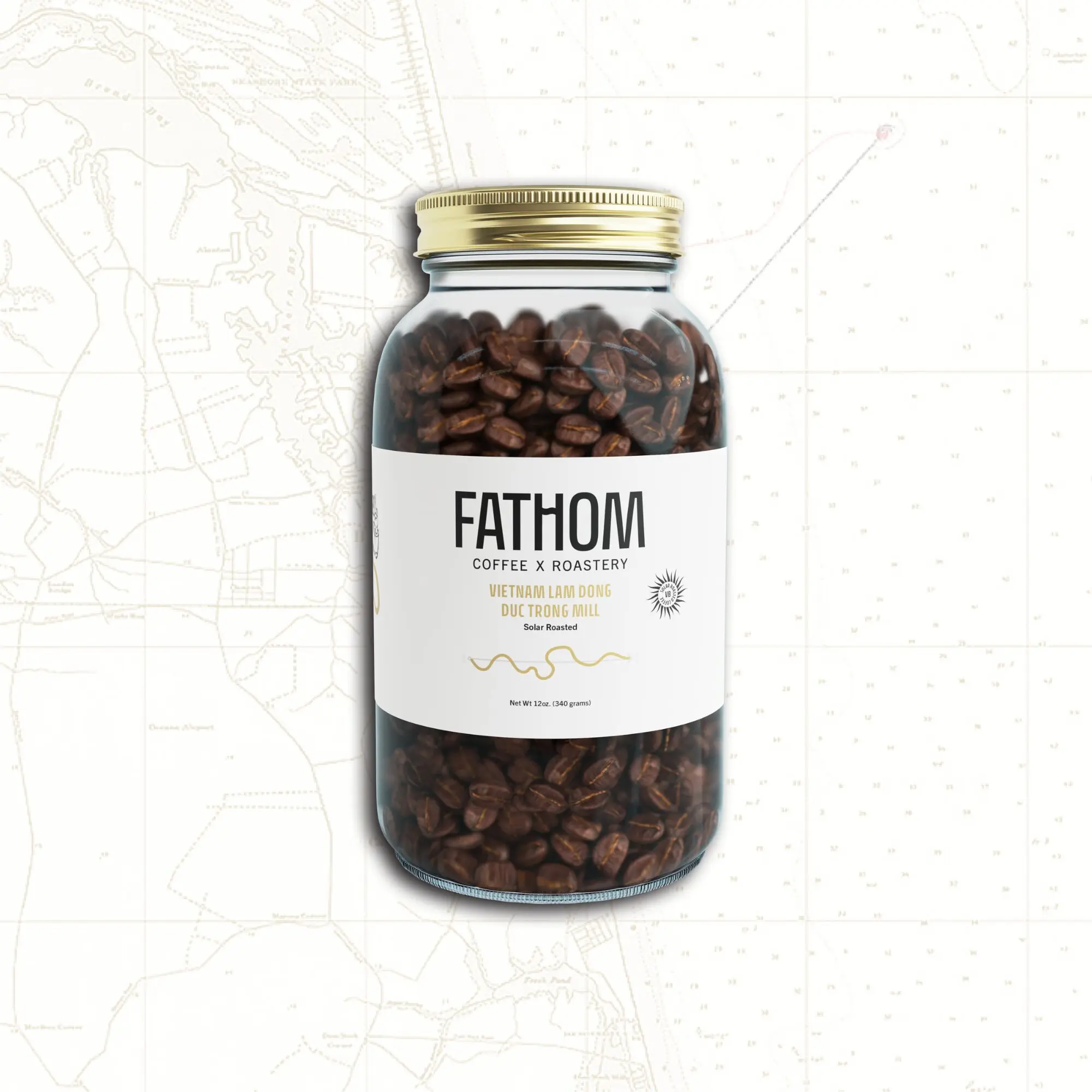
Twenty-five kilometers southeast of Da Lat, the hillsides of Lam Dong climb into cool, fog-wrapped highlands. In a country known almost entirely for Robusta, this corner grows Arabica that holds its own. A women-led mill in Dung K'No commune is helping rewrite what Vietnamese coffee can taste like.
Vietnam ranks second in the world for coffee output, but roughly 95 percent of that volume is Robusta grown at lower elevations. Lam Dong province is the exception. Its highlands around Da Lat and Cau Dat hold tens of thousands of hectares of Arabica, where a cold, foggy climate and volcanic soils produce a cup that compares to far better-known origins. Growers here lean on Catimor, a Caturra and Timor hybrid prized for its yield and disease resistance, and at this altitude it expresses fruit and citrus rather than the rubbery notes the variety can carry at sea level.
Read the full story
The Coffee Story
The SourceVietnam's Arabica Heartland
Vietnam ranks second in the world for coffee output, but roughly 95 percent of that volume is Robusta grown at lower elevations. Lam Dong province is the exception. Its highlands around Da Lat and Cau Dat hold tens of thousands of hectares of Arabica, where a cold, foggy climate and volcanic soils produce a cup that compares to far better-known origins. Growers here lean on Catimor, a Caturra and Timor hybrid prized for its yield and disease resistance, and at this altitude it expresses fruit and citrus rather than the rubbery notes the variety can carry at sea level.
The Duc Trong wet mill gathers cherries from smallholders in Dung K'No, a village of roughly 500 people where coffee supplements other crops. Women own many of these farms and run the mill itself, part of a broader push to put Vietnamese specialty Arabica on the map. The result is one of the first Asian coffees we have tasted with virtually no Robusta character in the cup.
The CraftSemi-Washed, Vietnamese Style
Semi-washed processing, sometimes called pulped natural, removes the cherry skin but leaves a portion of the sticky mucilage on the bean during drying. It sits between the two classic poles you can read more about in our guide to washed and natural methods . The skin comes off for cleanliness, while the retained sugars build body and sweetness. In Vietnam's Arabica regions the method is less common than across the water in Indonesia, which makes this lot a bridge between traditions.
We roast it to City+, a medium-light level that protects the citrus lift while letting the chocolate and nutty depth settle in. The drying mucilage gives the cup a thick, smooth feel, and a careful roast keeps the brightness intact rather than baking it flat.
The CupBeyond the Robusta Reputation
Semi-sweet chocolate opens the cup, thick and grounding. A flicker of black pepper spice follows and adds a complexity you rarely expect from this part of the world. Citrus brightness lifts the mid-palate, then an amaretto sweetness lingers in the finish, soft and nutty. The medium-full body gives it real substance, which is why it pulls a thick shot of espresso and stands up just as well in milk. This is terroir and intention proving that Vietnam is far more than Robusta.