From source to sip
The story behind your next cup.
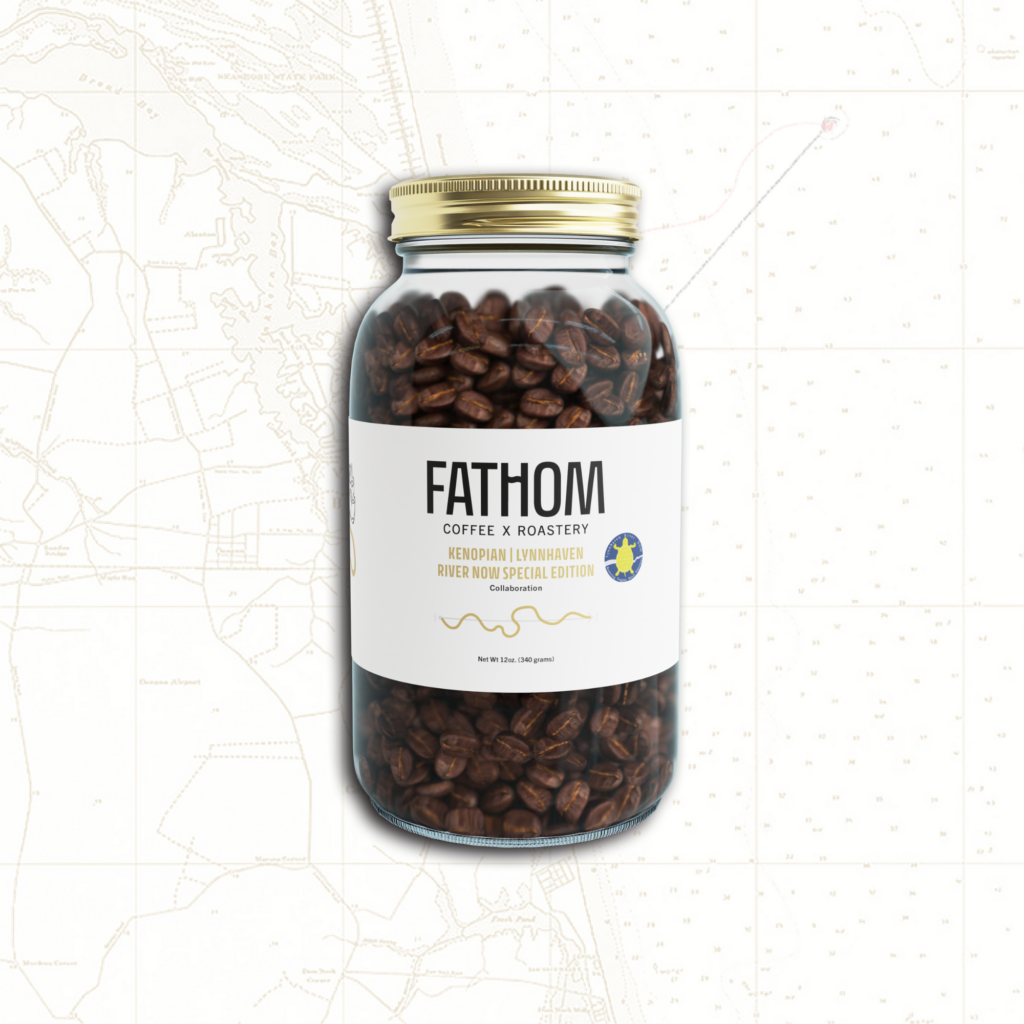
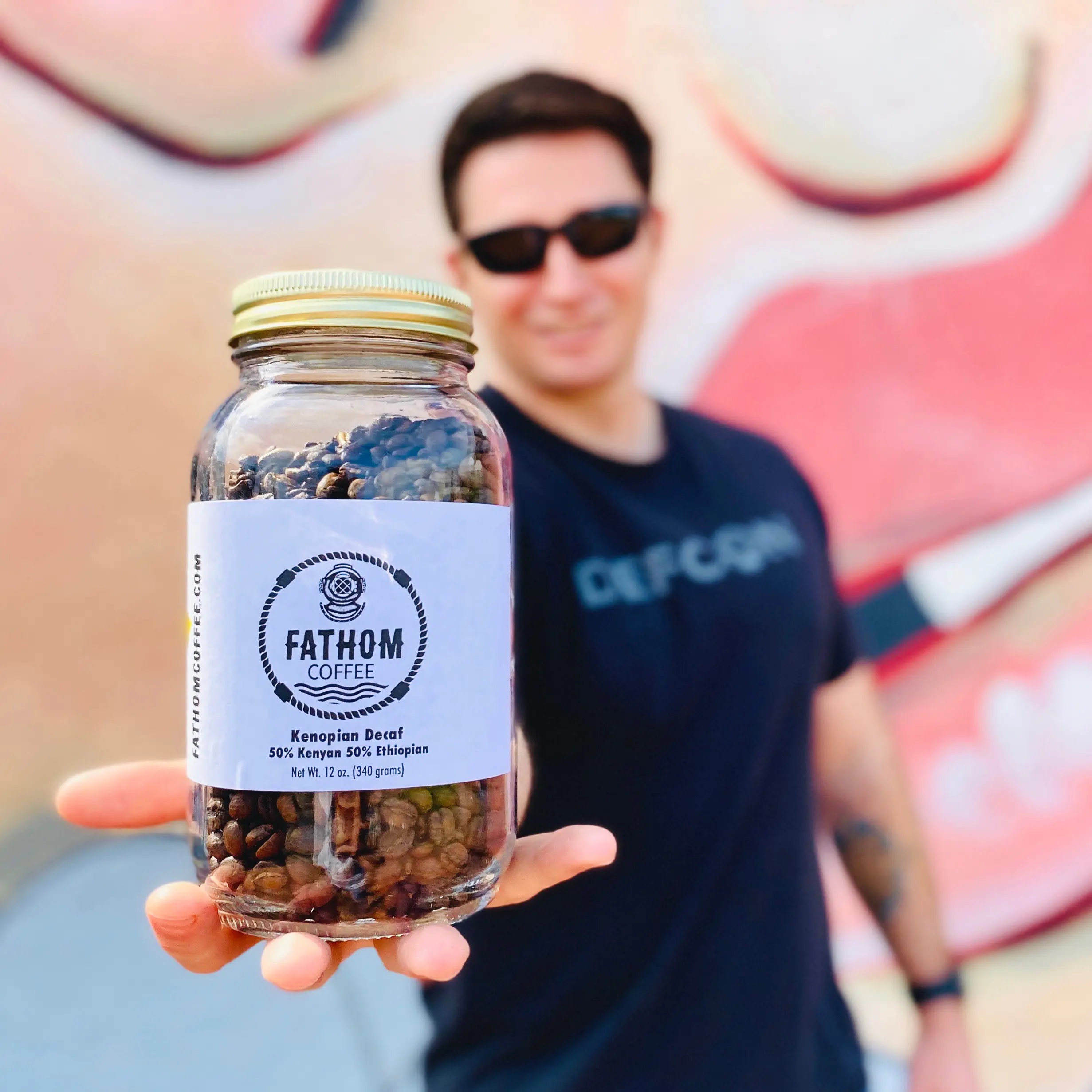
Jasmine and blackcurrant after dark. Ethiopian florals meet Kenyan brightness in a decaf that refuses to taste like compromise. Swiss Water processed to keep the complexity, lose the caffeine.
Most decaf avoids bright coffees. Delicate florals and fruit notes are hard to preserve through decaffeination, easier to stick with heavy, chocolatey coffees that can survive the process. Kenopian Decaf takes the harder path.
Read the full story
The Coffee Story
The SourceEast African brightness without caffeine
Most decaf avoids bright coffees. Delicate florals and fruit notes are hard to preserve through decaffeination, easier to stick with heavy, chocolatey coffees that can survive the process. Kenopian Decaf takes the harder path.
This blend combines Ethiopian and Kenyan coffee, two high-altitude origins celebrated for complexity and brightness. Ethiopian heirlooms bring jasmine aromatics and stone fruit sweetness. Kenyan SL varieties contribute blackcurrant intensity and sparkling acidity. These aren't forgiving origins. They demand careful processing and precise roasting. But when done right, they deliver decaf that actually tastes interesting.
The CraftSwiss Water: preserving the delicate
Swiss Water Process uses no chemicals, only water, temperature, and time. Green coffee soaks in water saturated with coffee solubles. Caffeine molecules diffuse out through osmosis while flavor compounds stay locked in the bean. The water passes through activated charcoal filters that trap caffeine molecules, then returns to the beans for another cycle. Repeat until 99.9% of caffeine is gone.
This matters more for bright coffees than for chocolate-heavy ones. Jasmine compounds are fragile. Blackcurrant esters are volatile. Chemical decaffeination can strip them away. Swiss Water protects them, not perfectly, but well enough that you can still taste Ethiopia and Kenya in the cup.
The CupFloral, bright, surprisingly complex
Jasmine leads, subtle but present, more suggestion than statement. Blackcurrant follows with tart berry notes, recognizably Kenyan even after decaffeination. Stone fruit sweetness rounds out the mid-palate. Bergamot shows up in the finish, citrusy and clean.
The body is medium and tea-like, characteristic of East African coffees. Acidity remains bright, not as vibrant as the caffeinated version, but still lively enough to wake up your palate. This is decaf for people who don't want chocolate and caramel. This is decaf for people who want coffee that tastes like coffee, just without the sleepless nights.