From source to sip
The story behind your next cup.
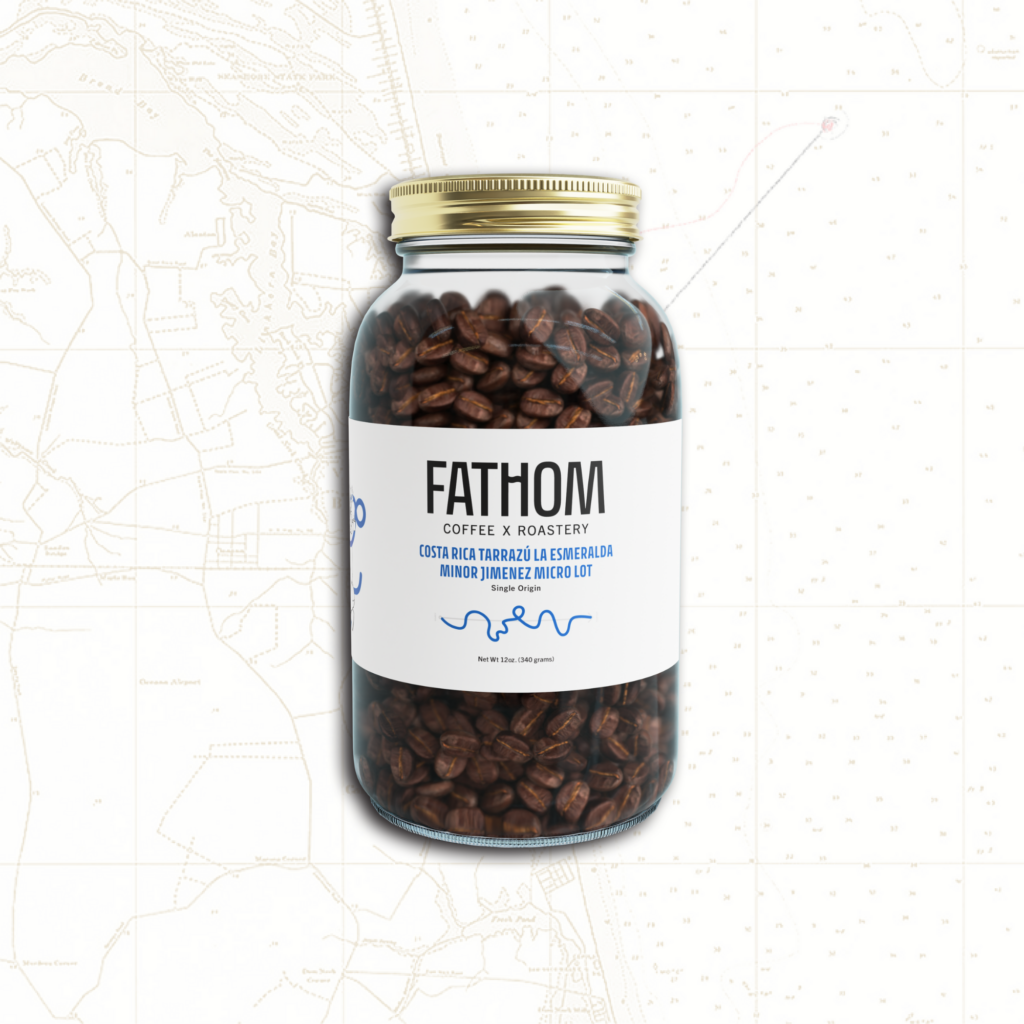
South of San Jose, where the Talamanca mountains rise into thin, cool air, sits Tarrazu, the most celebrated of Costa Rica's eight coffee regions. On a steep volcanic slope here, the Abarca family has tended La Esmeralda for three generations. This is their micro lot.
Tarrazu earns its reputation honestly. Mineral-rich volcanic soil, a sharp split between wet and dry seasons, and some of the highest growing ground in Costa Rica combine to slow the cherries as they ripen. That slow maturation concentrates sugars and builds the bright, layered acidity that specialty buyers prize. La Esmeralda sits at roughly 1,650 meters in the heart of it, planted to Caturra and Catuai, two varieties suited to these windy, high altitude hillsides.
Read the full story
The Coffee Story
The SourceThree Generations on a Tarrazu Slope
Tarrazu earns its reputation honestly. Mineral-rich volcanic soil, a sharp split between wet and dry seasons, and some of the highest growing ground in Costa Rica combine to slow the cherries as they ripen. That slow maturation concentrates sugars and builds the bright, layered acidity that specialty buyers prize. La Esmeralda sits at roughly 1,650 meters in the heart of it, planted to Caturra and Catuai, two varieties suited to these windy, high altitude hillsides.
The farm runs under Minor Jimenez Abarca, an agronomist engineer, alongside his wife Nancy Gaitan Cruz. Minor reads his land closely, adjusting for shifts in climate, soil, and elevation across the seasons. That attention is what separates a regional lot from a named one. In 2018 he set aside a dedicated micro lot for the international specialty market, and this selection carries that same precision.
The CraftRed Honey, Dried at Home
Minor does not run his own washing station. Instead he carries his cherries to a friend's mill, RYS, where the coffee is taken through the red honey method. The fruit skin is removed and only part of the sticky mucilage is washed away mechanically, leaving the beans to dry with their sugars still clinging. As they cure, the parchment turns a deep red-orange, the signature that gives the style its name. To understand where honey sits between the washed and natural ends of the processing spectrum is to understand this cup.
Drying happens back at Minor's house, spread out and turned by hand over about fifteen days, with care taken to shield the beans from sudden swings in temperature and moisture. We roast it to City+, a level that keeps the honey sweetness and Tarrazu acidity intact rather than scorching them into smoke.
The CupStone Fruit and a Caramel Finish
The honey process shows up first as sweetness. Ripe cherry and soft peach lead, the kind of stone fruit that reads as juicy rather than tart. Underneath, the body fills out with caramel and a touch of brown sugar, a roundness that comes from those preserved mucilage sugars.
The high-grown Tarrazu acidity keeps everything bright and clean, lifting the fruit without turning sharp. The finish settles into sweet caramel and lingers. It drinks well black and holds its character with a splash of milk.