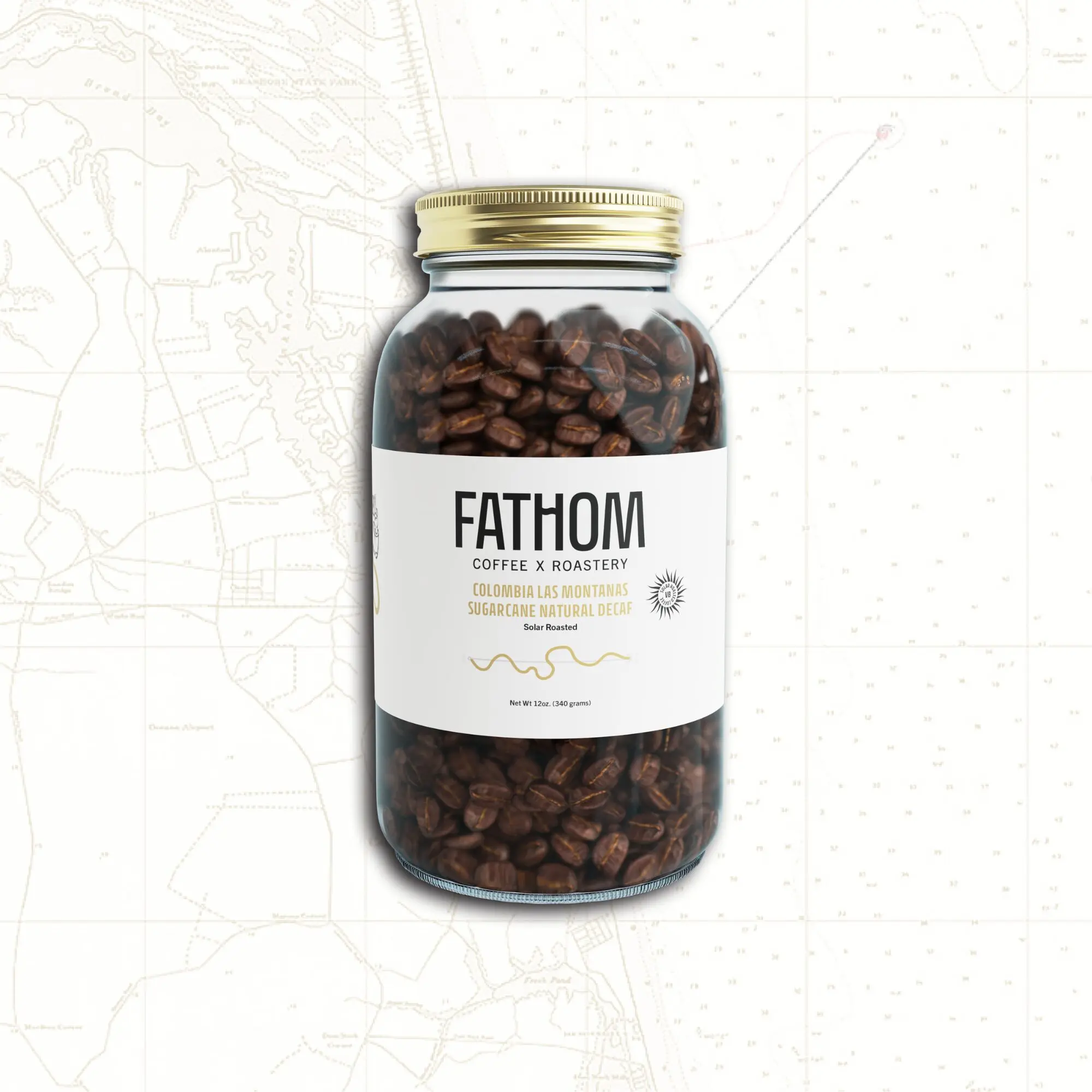
From source to sip
The story behind your next cup.
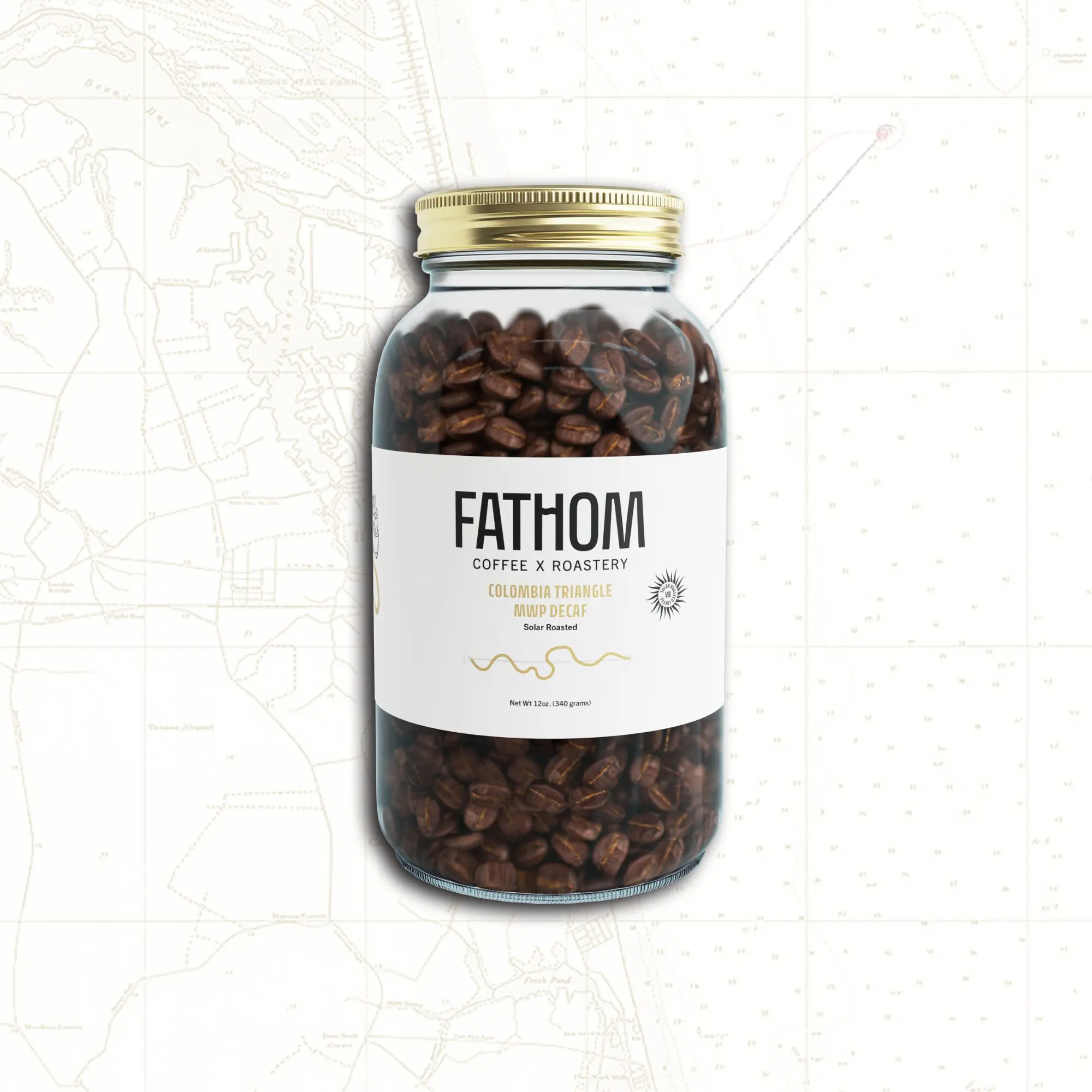
In Colombia's coffee triangle, where the departments of Caldas, Risaralda, and Quindio meet, small family farms climb the slopes of old volcanoes. This is decaffeinated coffee that gives up almost nothing in flavor, only the caffeine.
The Eje Cafetero, the triangle drawn between Manizales, Pereira, and Armenia, is the cultural and agricultural center of Colombian coffee. Volcanic soil from the Nevado del Ruiz, steady rainfall, and mild temperatures give this region a global reputation for some of the most consistent Arabica grown anywhere. UNESCO recognized its working coffee landscape as a World Heritage site in 2011.
Read the full story
The Coffee Story
The SourceThe Heart of Colombian Coffee
The Eje Cafetero, the triangle drawn between Manizales, Pereira, and Armenia, is the cultural and agricultural center of Colombian coffee. Volcanic soil from the Nevado del Ruiz, steady rainfall, and mild temperatures give this region a global reputation for some of the most consistent Arabica grown anywhere. UNESCO recognized its working coffee landscape as a World Heritage site in 2011.
The lots in this selection come from small, family-owned farms scattered across the triangle. Producers pick and process at their own micro wet-mills, then dry the coffee on raised tables inside solar dryers that shield it from afternoon rain. The main harvest runs October through January, with a secondary "mitaca" crop in April through June. Those steep, high-altitude slopes are exactly the kind of high-altitude coffee growing conditions that slow cherry maturation and concentrate sweetness.
The CraftDecaffeination the Sugarcane Way
This coffee is decaffeinated in Colombia using the Sugarcane EA method, also called natural or ethyl acetate decaf. Ethyl acetate is a compound that occurs naturally in fruit and is derived here from fermented local sugarcane, which makes the process a regional fit. The green beans are steamed to open their pores, then bathed in a water and ethyl acetate solution that bonds selectively with caffeine and draws it out. The solution is refreshed over several hours until 97 to 99 percent of the caffeine is gone, then the beans are steamed again to clear any residue. Because the solvent targets caffeine and largely leaves flavor and sugars in place, sugarcane decaf keeps the cup sweet and full where other methods can flatten it. To understand how this sits among broader approaches, see our guide to coffee processing methods .
We roast these lots to City+ at our Virginia Beach roastery, stopping just past first crack to round out the chocolate and nut tones without scorching the soft fruit underneath.
The CupSweet, Round, and Caffeine-Free
The cup opens with milk chocolate and roasted nut, then a gentle thread of baking spice runs through the middle. Soft stone fruit lifts the finish, which stays sweet and clean rather than sharp. Body is full and the acidity is low, so it drinks smooth from the first sip to a long, mellow close.
This is an easy evening cup or an all-day pour for anyone cutting caffeine without giving up a real Colombian coffee.